Christmas pudding holds a special place at the heart of the holiday season, especially in homes where tradition matters just as much as taste. There’s something incredibly comforting about the deep, rich aroma of spiced fruits, warm brandy, and caramel-like sweetness filling the kitchen as the pudding gently steams away for hours. The experience itself becomes a memory—one that ties together generations, stories, and laughter. Christmas pudding isn’t just a dessert; it’s a ritual, a tradition soaked in nostalgia, patience, and festive cheer. And even if you’ve never made it from scratch, you’ll quickly understand why families guard their recipes like treasure.
This classic dessert goes back centuries, evolving from ancient plum porridge into the dense, moist, fruit-loaded pudding we know today. Its history is rich—just like its flavor—and preparing it feels like stepping into a long-standing cultural celebration. You can picture Victorian kitchens buzzing with activity, the warm glow of a fire, and cooks stirring enormous bowls while making wishes, a ritual still cherished by many families. When you decide to make a Christmas pudding yourself, you’re not just cooking; you’re participating in a piece of culinary history that has been passed through generations.
What makes Christmas pudding so fascinating is its complexity. Unlike many modern desserts, it doesn’t rely on short preparation times or minimal ingredients. Instead, it embraces slowness, depth, and richness. It’s packed with layers of flavor—rum-soaked fruits, fragrant spices, citrus zest, and the comforting sweetness of brown sugar and suet. Every bite tells a story. And perhaps the most magical part? Christmas pudding improves as it ages. Time deepens its flavors, making the Christmas Day slice even more rewarding.
Whether you’re a seasoned baker or someone attempting this festive dessert for the first time, this guide will walk you through every step with clarity, confidence, and warmth. By the end, you’ll not only have a pudding that tastes incredible but also a story worth sharing around your holiday table.
What Is Traditional Christmas Pudding?
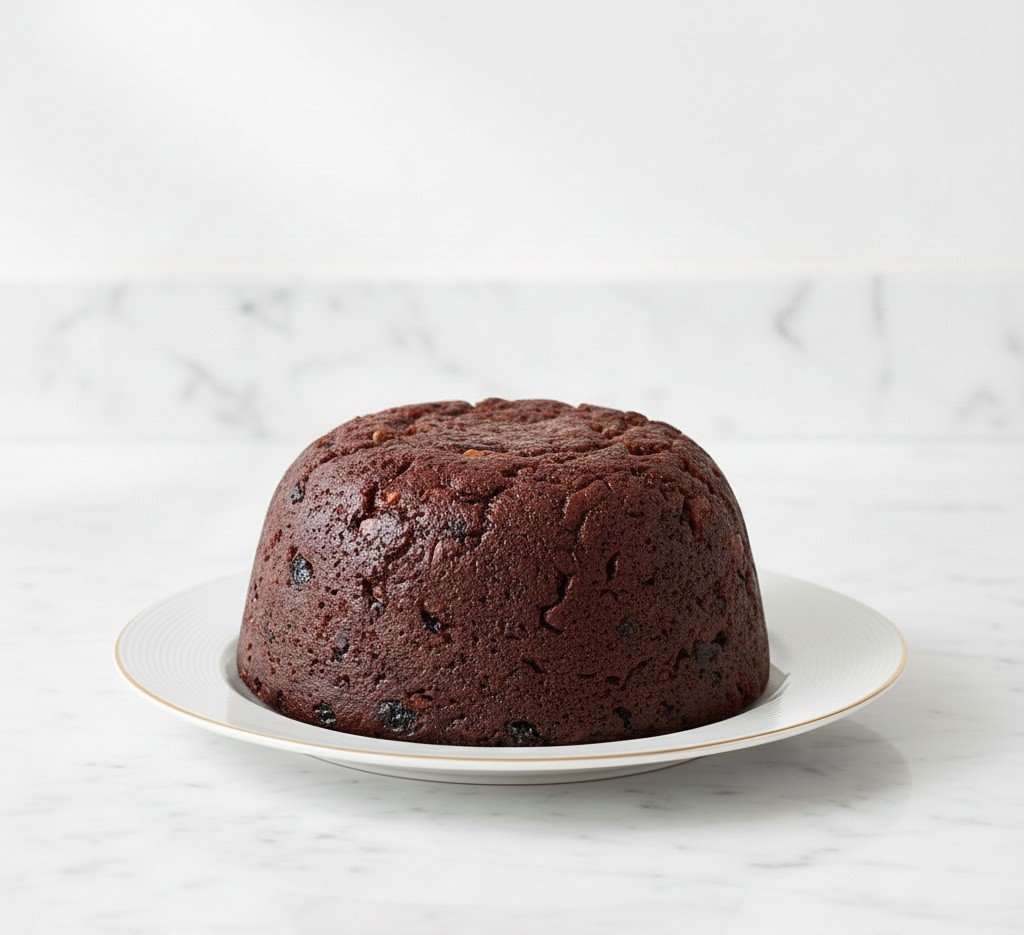
Traditional Christmas pudding is one of those desserts that seems almost mythical until you actually sit down and taste it. Dense, dark, and luxuriously moist, it stands proudly apart from the cakes, cookies, and pies typically found on holiday tables. At its core, Christmas pudding is a steamed dessert made from dried fruits, spices, citrus zest, alcohol, and fat—traditionally suet—combined into a thick, sticky batter that transforms into a deep, rich, fragrant masterpiece after hours of slow cooking. Unlike fluffy cakes or crumbly pastries, this dessert is deliberately heavy, intentionally indulgent, and unapologetically bold in flavor.
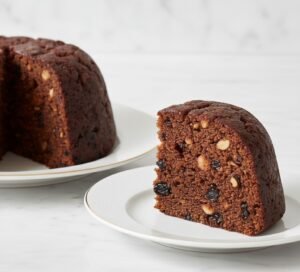
It’s often misunderstood by those who haven’t grown up with it. Many imagine it to be similar to fruitcake, but Christmas pudding is an entirely different experience. Fruitcake is baked, dry, and sliceable. Christmas pudding, however, is steamed until it becomes almost pudding-like in texture, though still firm enough to slice. Each spoonful bursts with a concentrated medley of rum-soaked raisins, currants, and sultanas, subtly caramelized sugars, and the warming depth of spices like nutmeg, clove, and cinnamon. It’s the kind of dessert that has layers—literal layers of flavor that linger long after the bite has been savored.
Another defining characteristic is its ability to improve with age—something most desserts can’t claim. Traditional Christmas puddings are often made weeks, sometimes months, before Christmas Day. During this time, the flavors meld beautifully. The alcohol seeps deeper into the fruit, the spices mellow, and the entire pudding becomes more harmonious. Aging doesn’t just enhance flavor; it builds anticipation. Every week or two, a small splash of brandy or rum may be drizzled over it, a process lovingly referred to as “feeding the pudding.”
The serving rituals also add to its charm. On Christmas Day, the pudding is reheated—typically by steaming again—then brought to the table with great ceremony. Many families pour a little warm brandy over the top and ignite it, sending a brief blue flame dancing across its glossy surface. This moment, as dramatic as it is traditional, never fails to bring gasps and applause from the table. With a dollop of brandy butter, custard, or cream, the pudding becomes pure Christmas magic.
Why Homemade Christmas Pudding Is Worth the Effort
Making homemade Christmas pudding is one of those kitchen projects that feels intimidating at first glance—but once you do it, you realize why so many families swear by the tradition. Store-bought puddings certainly exist, and some of them are decent, but they simply can’t compete with the depth, richness, and pure heartiness of a pudding made at home. When you make your own, you control everything: the ingredients, the level of sweetness, the alcohol, the fruit choices, and even the intensity of the spices. Nothing is generic. Nothing is rushed. Every part of the flavor is crafted by hand, and that alone gives homemade pudding a warmth store versions can’t replicate.
Beyond taste, there’s something beautifully ceremonial about the entire process. Christmas pudding isn’t one of those fast desserts you throw together last minute—it’s an experience. It requires soaking the fruit, mixing the batter, steaming the pudding slowly for hours, and allowing it to mature over weeks. This pacing is part of the charm. It allows the holiday season to stretch out a little longer, giving you something delicious to look forward to as Christmas approaches. Some families gather around the mixing bowl, taking turns to stir and make a wish. These rituals become memories. Years later, people don’t just remember the pudding—they remember the moment.
There’s also a sense of pride that comes with serving a homemade pudding. When you bring it to the table, glossy and beautifully domed after hours of steaming, the reactions alone are worth the effort. And if you flambé it with warm brandy? You’ll feel like a star chef for a moment. Guests always ask, “Did you really make this yourself?” And the answer—grinning and full of well-earned confidence—is yes. Every bite tastes like effort, like love, like the true spirit of Christmas.
Homemade pudding is fresher, richer, and more customizable. You can adjust ingredients for dietary needs. You can make it lighter or darker depending on your preference. You can choose your alcohol or even make it alcohol-free while still keeping it flavorful. When you compare that freedom to the limitations of store-bought versions, there’s simply no competition. This dessert becomes yours—a reflection of your taste, your creativity, and your holiday traditions. That alone makes every step worthwhile.
Essential Ingredients for the Best Christmas Pudding
Creating the perfect Christmas pudding starts with understanding the ingredients—not just what they are, but why they matter. Each component in this historic dessert plays a specific role, contributing to the texture, depth, and unmistakable richness that Christmas pudding is known for. While the ingredient list might look long, nothing is unnecessary. Everything adds character. When combined, these ingredients transform into a dense, flavorful masterpiece that feels like the very essence of the holiday season.
At the heart of a great Christmas pudding is a medley of dried fruits. These usually include raisins, currants, and sultanas, but many modern variations add chopped dates, apricots, dried cherries, or dried cranberries. The fruits are the stars of the show—they create the pudding’s chewy texture and natural sweetness. But to truly shine, they need time to soak in alcohol or fruit juice. This not only plumps them up but also infuses them with warm, boozy flavor that becomes more pronounced as the pudding matures.
Next comes the fat. Traditionally, Christmas pudding uses suet—specifically beef suet. This ingredient may seem odd if you’ve never used it, but it’s crucial for creating the pudding’s signature moistness. Suet has a higher melting point than butter, which means it melts slowly during steaming, leaving behind tiny pockets of tenderness. However, many modern cooks substitute suet with butter or even vegetable shortening for dietary or personal reasons. Regardless of the choice, fat is essential—it binds the pudding and creates its luxurious texture.
The dry ingredients are equally important. Flour helps everything hold together, while breadcrumbs give the pudding body without making it heavy. Dark brown sugar adds caramel depth, turning richer and more intense as the pudding cooks. Eggs, another essential element, help the mixture set, giving the pudding structure that remains soft but sliceable.
Then there are the flavor boosters—spices, citrus zest, and alcohol. Christmas pudding simply wouldn’t be Christmas pudding without the warming blend of cinnamon, nutmeg, allspice, cloves, and ginger. These spices bring warmth and complexity to every bite. Citrus zest, usually lemon and orange, brightens the pudding, cutting through the richness with a subtle tang. Alcohol—typically brandy, rum, or stout—not only enhances flavor but also acts as a natural preservative, allowing the pudding to mature beautifully over weeks or even months.
All these ingredients come together to form a dessert that is dense yet tender, sweet yet balanced, traditional yet endlessly customizable. When you understand their purpose, you’re better equipped to create a pudding that’s truly unforgettable.
Choosing the Right Dried Fruits
Selecting the right dried fruits is one of the most important decisions you’ll make when preparing a Christmas pudding. These fruits are the backbone of the recipe, contributing not only sweetness but also texture, richness, and visual appeal. When people talk about a pudding being “loaded with fruit,” they’re not exaggerating—dried fruits make up the majority of the mixture. But not all fruits are created equal, and the choices you make here can transform an ordinary pudding into something remarkable.
Traditionally, Christmas pudding relies on a trio of raisins, currants, and sultanas. Each brings its own unique qualities. Raisins are sweet, chewy, and versatile. Currants are smaller and slightly tangier, adding complexity and balancing the overall sweetness. Sultanas are softer and juicier, offering a gentle sweetness that blends beautifully with spices. When combined, these three create a base that’s rich, familiar, and deeply comforting.
However, modern variations open the door to endless creativity. Many cooks like to incorporate chopped dates for caramel-like softness or dried apricots for a bright, slightly tart contrast. Dried cherries offer a pop of color and a lovely hint of acidity, while dried cranberries add festive brightness and a gentle sharpness that cuts through the richness. Prunes are another fantastic addition—moist, sweet, and earthy, they practically melt into the pudding, creating an unbelievably tender texture.
Regardless of which fruits you choose, the most important step is soaking them. This can be done in brandy, rum, stout, or even a combination. If you prefer an alcohol-free version, strong black tea, apple juice, orange juice, or a spiced syrup works beautifully. Soaking plumps the fruit, rehydrates it, and infuses it with deep, warm flavor. Ideally, let the fruit sit for at least 24 hours, but even a few hours will make a noticeable difference. Many traditional recipes call for soaking the fruit for days or even a week—a technique that results in unmatched richness.
Another tip is to consider the cut size of the fruit. If your dried fruit pieces are too large, they may create uneven pockets in the pudding, while very finely chopped fruit can make the mixture overly dense. Aim for a balance—pieces roughly the size of raisins or a little smaller blend together seamlessly. You can also add candied citrus peel, which introduces bursts of bitter-sweet brightness and enhances the pudding’s classic flavor profile.
Choosing the right fruits isn’t just about following a recipe—it’s about crafting a flavor experience. As you mix and match, you can tailor your pudding to be sweeter, tangier, or more robust. The fruit becomes the heart and soul of the pudding, so take your time selecting, chopping, and soaking. Your efforts will pay off when you slice into a pudding that’s moist, fragrant, and absolutely bursting with flavor in every single bite.
The Secret Power of Alcohol in Christmas Pudding
Alcohol plays a much bigger role in Christmas pudding than simply adding a festive kick. In fact, it’s one of the core elements that gives the pudding its depth, richness, and long-lasting flavor. When people talk about a pudding “maturing beautifully” over weeks or even months, they’re really talking about how alcohol interacts with the fruits and spices to develop the dessert’s signature complexity. Without alcohol, a traditional Christmas pudding just isn’t the same—though delicious alcohol-free versions do exist. But if you’re embracing tradition, alcohol brings magic that’s impossible to replicate with any other ingredient.
One of the main purposes of alcohol is its preservative effect. Historically, Christmas pudding was meant to last—not just for weeks, but often until Easter. Brandy, rum, and stout were incorporated so the pudding could be stored safely in cool, dark cupboards without refrigeration. While modern households don’t need to rely on alcohol for preservation, the flavor benefits remain just as valuable. Alcohol infuses the fruit with warmth, acts as a carrier for spices, and enhances the deep caramel tones of brown sugar and molasses. As the pudding rests, the alcohol mellows, allowing its aroma—not its sharpness—to shine.
The most common alcohols used include brandy, rum, and stout. Each has its own personality. Brandy is smooth, slightly sweet, and deeply aromatic, making it a perfect match for dried fruits. Rum, especially dark rum, adds a bold, rich, molasses-like note that complements spices beautifully. Stout contributes a toasted, malty depth that transforms the pudding’s base into something irresistibly rich and almost chocolatey. Some cooks even mix all three, creating a layered flavor foundation that evolves with every bite.
Another unique tradition involves “feeding the pudding.” After the initial steaming, the pudding is stored, and every week or two, a tablespoon or two of alcohol is drizzled over the top. This slow feeding process doesn’t just add flavor—it enriches the texture, keeps the pudding moist, and deepens the aroma. By Christmas Day, the pudding has absorbed every drop, becoming luxuriously soft and intensely flavorful.
For those who prefer an alcohol-free pudding, alternatives like apple juice, orange juice, black tea, or alcohol-free rum extract offer wonderful results. They won’t preserve the pudding quite as long, but they will plump the fruit and add complexity. You can even simmer spices in the soaking liquid to mimic the warmth that alcohol typically brings.
Ultimately, alcohol in Christmas pudding is about more than taste. It’s about tradition, ceremony, and the slow, loving process of crafting a dessert that gains character over time. It’s about creating something that feels alive, dynamic, and worthy of its place at the center of your holiday celebration.
Spices and Flavor Boosters
Spices are the heartbeat of a traditional Christmas pudding—the invisible force that transforms a bowl of dried fruits and batter into something warm, festive, and irresistibly aromatic. Without spices, the pudding would taste flat and one-dimensional. With them, it becomes a celebration of flavor, filling your kitchen with the unmistakable scent of Christmas itself. These spices don’t compete with one another; they work together in a beautifully balanced symphony that deepens with every day of maturation.
The classic spice trio—cinnamon, nutmeg, and cloves—forms the foundation of the pudding’s flavor profile. Cinnamon brings gentle warmth and sweetness, creating a comforting base that grounds the entire dessert. Nutmeg adds a slightly sharp, nutty note that cuts through the richness of the fruit and suet. Cloves contribute bold, aromatic depth, but they must be used sparingly. Too many cloves can overpower the pudding, turning it into a spice bomb rather than a cozy treat. When used in just the right amount, however, they add a mysterious, almost smoky undertone that feels uniquely festive.
Allspice and ginger are also common additions. Allspice delivers a complex flavor reminiscent of cinnamon, nutmeg, and cloves combined—hence its name. It enriches the pudding’s warmth, enhancing other spices without stealing the spotlight. Ginger offers a subtle heat that brightens the dense mixture, providing a lively spark that keeps each bite interesting. Many cooks like to use both fresh and ground ginger for maximum impact.
Then we have citrus zest—an essential flavor booster that brings life, freshness, and brightness to the pudding. Orange zest adds sweetness and a mild tang, while lemon zest introduces a sharper, cleaner citrus note. Together, they create a burst of fragrance that cuts through the pudding’s heaviness, balancing its richness in the most delightful way. If you want your pudding to taste vibrant rather than muddy, never skip the zest.
Another powerful ingredient is treacle (molasses) or dark syrup. This isn’t exactly a spice, but it acts like one, adding a deep, smoky sweetness that rounds out the spices beautifully. It darkens the pudding’s color and gives it a caramel-like complexity that intensifies during steaming. A tablespoon or two makes the pudding taste richer and more luxurious.
Some cooks add unique extras to personalize their pudding. A splash of vanilla extract can soften sharper spice notes. A pinch of black pepper provides subtle warmth. A little grated apple adds moisture and a touch of natural sweetness. Some even stir in espresso powder or cocoa for a deeper, more modern flavor twist.
These spices and boosters are the essence of what makes Christmas pudding taste like Christmas. They infuse the mixture with warmth, nostalgia, and character. When combined with aged fruit and alcohol, they create a flavor that is layered, complex, and unmistakably festive—perfect for a dessert steeped in tradition.
Traditional vs Modern Christmas Pudding Methods
When it comes to cooking Christmas pudding, you’ll often find cooks divided into two passionate camps: the traditionalists who swear by the classic steaming method and the modern home chefs who embrace appliances like slow cookers and Instant Pots. What’s wonderful is that all these methods work beautifully—you simply choose the approach that fits your lifestyle, schedule, and kitchen setup. Understanding the differences can help you decide which version feels right for your home and your festive routine.
The traditional steaming method is the heart and soul of Christmas pudding preparation. This approach dates back centuries, long before ovens became common in homes. Traditionally, the pudding mixture is placed into a well-greased basin, covered tightly, then set into a large pot of simmering water. The pudding steams gently for hours—anywhere from 4 to 8 hours depending on the size. This slow, moist cooking process creates that iconic dense yet tender texture that Christmas pudding is famous for. The long steam time allows the fruit to soften, the sugars to develop deeper flavors, and the spices to bloom. Many cooks love this method because it fills the house with a comforting, nostalgic aroma that feels like Christmas itself. The downside? It demands time and attention. You need to ensure the water level stays consistent, topping it up every so often to prevent burning the pot or drying out the pudding.
Enter the slow cooker method, a modern adaptation that has become incredibly popular for busy households. Slow cookers are naturally designed for long, gentle cooking, making them a perfect fit for Christmas pudding. You simply place the pudding basin into the slow cooker, add water up to halfway up the sides, and let it steam for 8 to 10 hours depending on the recipe and cooker size. The best part? There’s no need to babysit it. The slow cooker holds a steady temperature and eliminates worries about water boiling dry. This method is ideal if you want traditional results with modern convenience. The texture is almost identical to stovetop steaming, and some argue it’s even more consistent.
For those who love efficiency, the Instant Pot or pressure cooker method is a game-changer. What traditionally takes 6 hours can be done in about 90 minutes under pressure. This method is perfect when you’re short on time or preparing multiple puddings. The high-pressure environment cooks the pudding evenly and quickly, and surprisingly, it still produces a dense, moist texture. Some purists claim the flavor isn’t quite as deep as slow steaming, but many modern cooks swear you can’t tell the difference—especially after the pudding has matured for a few weeks.
No matter which method you choose, the end result remains the same: a rich, dark, festive pudding ready to take center stage at your Christmas feast. Traditional steaming gives you the experience and nostalgia; slow cooking offers ease and consistency; pressure cooking provides speed and convenience. All three respect the essence of Christmas pudding, proving that tradition and innovation can coexist beautifully in the holiday kitchen.
Step-by-Step Christmas Pudding Recipe (Detailed)
Preparing a Christmas pudding from scratch may look like a grand culinary undertaking, but once you break it down step by step, the process becomes surprisingly enjoyable—even calming. This is the part where all those rich ingredients come together, transforming from individual components into a fragrant, festive batter that practically hums with holiday spirit. To help you create the most luscious, traditional pudding possible, here’s a detailed, easy-to-follow recipe complete with guidance, tips, and little insider tricks that seasoned cooks swear by.
Ingredients
Dried Fruit Mixture
-
200 g (1⅓ cups) raisins
-
200 g (1⅓ cups) sultanas
-
150 g (1 cup) currants
-
100 g (¾ cup) chopped dates
-
75 g (½ cup) dried cherries or cranberries
-
75 g (½ cup) mixed candied peel
-
120 ml (½ cup) brandy
-
Zest of 1 orange
-
Zest of 1 lemon
Dry Ingredients
-
150 g (1¼ cups) fresh breadcrumbs
-
100 g (¾ cup) all-purpose flour
-
150 g (¾ cup packed) dark brown sugar
-
1½ tsp ground cinnamon
-
1 tsp ground nutmeg
-
1 tsp ground ginger
-
½ tsp ground cloves or allspice
-
¼ tsp salt
Wet & Binding Ingredients
-
100 g (¾ cup) cold grated butter
-
2 large eggs
-
1 medium apple, finely grated (about 150 g)
-
2 tbsp black treacle (or molasses)
-
60 ml (¼ cup) dark rum or stout (optional)
Step 1: Soak the Fruit
Place all dried fruits and peel into a large mixing bowl. Pour over the brandy (and rum or stout if using), then add the citrus zest. Stir well, cover the bowl, and let it sit overnight—or for up to a week. The longer the soak, the more flavorful your pudding becomes. Make sure to stir the mixture each day so every piece gets fully plumped and infused.
Step 2: Prepare the Dry Ingredients
In a separate bowl, combine flour, breadcrumbs, brown sugar, spices, and a pinch of salt. Stir until everything is evenly distributed. This blend forms the structure of the pudding, ensuring it stays cohesive but moist. Adding the sugar at this stage helps prevent clumping later.
Step 3: Blend in the Fat
Add the grated cold butter to the dry mixture. Coat it thoroughly using your fingertips until it resembles coarse crumbs. Just make sure it’s very cold so it blends instead of melting.
Step 4: Combine Wet and Dry
Pour the soaked fruit mixture into the bowl of dry ingredients. Add treacle, grated apple, and beaten eggs. Stir gently but thoroughly. This is traditionally where each family member takes a turn stirring and makes a wish—a charming ritual that adds magic to the pudding.
Step 5: Check Consistency
The batter should be thick but spoonable. If it feels dry, add a splash more brandy. If too wet, sprinkle in extra breadcrumbs.
Step 6: Prepare the Basin
Grease a pudding basin generously. Spoon in the mixture, pressing gently to eliminate air pockets. Leave a little space at the top, as puddings expand slightly during cooking.
Step 7: Cover the Pudding
Place a layer of parchment paper over the top, followed by foil, then tie securely with string. This prevents steam from soaking the pudding.
Step 8: Steam the Pudding
Place in a large pot with water halfway up the sides of the basin. Steam gently for 6 hours, topping up water as needed.
By the end of steaming, your pudding will be dark, glossy, and beautifully fragrant—the perfect foundation for aging.
How to Steam Christmas Pudding the Right Way
Steaming is the heart of traditional Christmas pudding preparation, and doing it correctly ensures your pudding turns out moist, tender, and beautifully rich. While the method may seem old-fashioned, there’s something deeply comforting about the slow, gentle process. The kitchen fills with warm aromas of spices and fruit, and time itself seems to move more softly. Steaming is not difficult, but it does require care, patience, and a few key techniques to avoid common mishaps—like soggy pudding, burnt pots, or uneven cooking. Follow the steps below, and you’ll master the art of steaming just like generations before you.
Start by preparing a large, deep pot or stockpot. It must be tall enough to hold your pudding basin with the lid on and still leave a little room above it. Line the bottom of the pot with a heatproof plate or a small wire rack—this prevents the basin from sitting directly on the base of the pot, where it could scorch or crack from direct heat. This little step makes all the difference in achieving a pudding that cooks gently and evenly from every angle.
Next, place your covered pudding basin on top of the rack. Make sure the parchment-paper-and-foil cover is tied securely with string around the rim. Many cooks like to tie an extra long piece of string across the top to create a makeshift handle. This makes lowering the basin into the pot—and removing it afterward—much easier and safer. Once the basin is in place, pour hot water into the pot until it reaches halfway up the sides of the basin. Using hot water ensures the pudding starts steaming sooner and minimizes temperature fluctuations.
Now comes the part that defines the entire process: slow, steady steaming. Bring the pot to a gentle simmer over medium heat. You don’t want a rolling boil—that can cause the pudding to jiggle too violently, potentially letting water seep inside. A low, steady bubbling is ideal. Once simmering, place the lid on the pot and let the pudding steam for around 6 hours for a standard-sized basin. If your pudding is smaller or larger, adjust the time accordingly: smaller puddings may take 3–4 hours, while extra-large ones can require up to 8 hours.
Throughout the steaming time, check the pot every 30–45 minutes to ensure the water level hasn’t dropped too low. Add more hot water as needed. This is crucial—if the pot boils dry, not only can the pudding burn, but the basin may crack from the sudden temperature change. Think of this stage like nurturing a slow-cooking project. It’s hands-off for the most part, but occasional gentle attention guarantees success.
You’ll know the pudding is done when the top feels firm to the touch and the mixture pulls away slightly from the edges of the basin. It will be wonderfully dark, almost mahogany in color, with a glossy sheen that hints at the richness within. Remove the basin carefully, let it cool completely, then replace the paper and foil with fresh coverings before storing.
Steaming may take time, but the results are utterly worth it. You’re rewarded with a pudding that’s moist, fragrant, and bursting with flavor from top to bottom—a taste of Christmas tradition preserved through slow, loving cooking.
Storing and Maturing the Pudding
Once your Christmas pudding has finished its long, luxurious steam, the next stage begins—the maturing phase, which is where the real magic happens. Christmas pudding is one of those rare desserts that becomes better with time. This slow-aging process allows the flavors to deepen, mellow, and blend together into the rich, complex taste that makes this holiday classic so unforgettable. In fact, many people claim that a freshly made pudding can never compete with one that’s been aged for weeks. Luckily, storing and maturing a pudding is surprisingly easy—there’s just a little technique involved to ensure it stays moist, safe, and beautifully flavorful.
After steaming, allow the pudding to cool completely in its basin. This might take several hours, and it’s important not to rush it. While it cools, the pudding begins to firm up, and the residual heat helps the ingredients settle into their final textures. Once fully cooled, remove the used parchment and foil, then replace them with fresh layers. The standard method is to place a circle of parchment paper directly over the pudding surface, followed by a large sheet of foil that wraps tightly around the basin. Secure it with string so that no air can get in. This creates a protective barrier to keep the pudding fresh and free from unwanted moisture.
The pudding can now be stored in a cool, dark place, such as a pantry cupboard, a shaded shelf, or even the refrigerator if your climate is very warm or humid. Traditionally, puddings were kept in larders or cellars, where the naturally cool air acted as a mild preservative. Thanks to the alcohol content in most recipes, Christmas puddings keep incredibly well—many even remain safe for months. Alcohol acts as a natural antibacterial agent, which is one reason these puddings were historically made long in advance.
Feeding the pudding is one of the most cherished parts of the maturing process. Every week or two, peel back the parchment layer and spoon a tablespoon or two of brandy, rum, or whisky over the surface. This keeps the pudding moist and enhances its depth of flavor. The alcohol slowly seeps into the fruit, intensifying the richness with each feeding. If you prefer a more delicate pudding, you can feed it only once or twice, but for a truly luxurious result, allow it regular “sips” throughout the maturing period. If making an alcohol-free version, use orange juice, apple juice, or cooled black tea—though these versions must be refrigerated.
If you’re planning to store the pudding for longer than two months, consider freezing it. Christmas pudding freezes exceptionally well. Just wrap the entire basin in an extra layer of foil or place it into an airtight container before freezing. When Christmas Day arrives, defrost the pudding overnight in the refrigerator and reheat by steaming before serving. You’ll find that the texture remains perfect—dense, moist, and full of flavor.
Storing and maturing the pudding is what transforms it from a simple dessert into a holiday treasure. Every passing week enriches the flavors, turning a good pudding into a great one. By the time Christmas Day arrives, you’ll taste the patience, the tradition, and the love in every fragrant, velvety bite.
Preparing the Pudding for Christmas Day
When Christmas Day finally arrives, your beautifully matured pudding is ready to take center stage—but it still needs its final preparation. This last step is more than just reheating; it’s about awakening all those months of carefully developed flavors, bringing the pudding back to life so it’s warm, aromatic, and absolutely irresistible. This is the moment where tradition meets celebration, and the kitchen fills with the nostalgic scent of spices, citrus, and brandy one more time.
The most traditional and reliable way to prepare the pudding for serving is by steaming it again. This second steam softens the texture, rejuvenates the moisture inside, and ensures the pudding is heated all the way through without drying out. To reheat, simply place the pudding—still in its basin and still covered—into a large pot with hot water reaching halfway up the sides. Bring the water to a simmer and steam gently for 2 hours. This sounds long, but remember that Christmas pudding thrives on slow, gentle heat. Rushing it in the microwave or oven often results in a dry or unevenly warmed dessert.
If you prefer using modern appliances, a slow cooker is a fantastic option. Place the basin inside the cooker, add hot water halfway up the sides, cover with the lid, and heat on HIGH for about 3–3.5 hours. The slow cooker maintains a perfectly consistent temperature, which means zero stress and no need to keep checking the water level. This is a lifesaver during a busy Christmas morning when multiple dishes are fighting for your attention.
An Instant Pot or pressure cooker offers the fastest method. Place the basin on a trivet inside the pot, add about 2 cups of water, then cook on HIGH pressure for 30 minutes. Allow natural release for 10–15 minutes before opening the lid. This method reheats the pudding beautifully, though some purists prefer the slow steaming method for its subtle textural advantages. Nonetheless, if you’re short on time, pressure cooking delivers excellent results.
Once the pudding is heated through, let it rest for a few minutes before removing the foil and parchment. The aroma that escapes is nothing short of magical—warm spices, citrus, dark fruits, and the faintest whisper of brandy. Carefully invert the basin onto a warmed serving plate. If it doesn’t release immediately, gently loosen the edges with a thin spatula or give the basin a small shake. When the pudding unmolds, it should stand tall, glossy, and perfectly domed.
This is also the point where you can flambé the pudding, if you choose to. Warming a little brandy, pouring it over the pudding, and lighting it creates a beautiful blue flame that dances over the surface for just a few seconds—a dramatic and memorable finale that always earns applause. But even without fire, a well-steamed pudding carries enough beauty on its own to command the table.
With your pudding warm, fragrant, and ready, the stage is set for brandy butter, cream, custard, or whatever topping your family tradition calls for. After weeks (or months) of patient preparation, your Christmas pudding is finally ready to shine.
Making the Perfect Brandy Butter
Brandy butter is the luxurious, velvety topping that turns a classic Christmas pudding from delicious to unforgettable. It’s rich, sweet, boozy, and silky—melting instantly when it touches the warm surface of the pudding. Every spoonful brings a wave of buttery sweetness and a warming hint of brandy that pairs beautifully with the deep, spiced flavors of the dessert. Making brandy butter at home is incredibly simple, yet the difference between homemade and store-bought is enormous. Homemade brandy butter is fluffier, fresher, and customizable to your preferred level of sweetness and strength.
To make a proper, indulgent brandy butter, you need only three main ingredients: unsalted butter, icing sugar (confectioners’ sugar), and brandy. Some recipes add a touch of vanilla or lemon zest for brightness, but the classic trio is all you truly need. Start by ensuring your butter is softened to room temperature—this is crucial. If the butter is too cold, it won’t whip properly, and your mixture will be grainy. If it’s too warm, it won’t hold its shape and may separate. Soft but slightly cool is the sweet spot.
Cream the butter using a hand mixer or stand mixer until it becomes pale, fluffy, and almost mousse-like in texture. This usually takes about 3–5 minutes. Proper creaming is what gives brandy butter that airy, melt-in-the-mouth quality that feels so decadent. Once the butter is whipped, begin adding icing sugar gradually, about a few tablespoons at a time. This prevents lumps and ensures the mixture stays smooth. Keep beating until all the sugar is incorporated and the butter mixture looks light and creamy.
Now comes the star ingredient—brandy. Start with one tablespoon, whip it in, and taste. Depending on your flavor preference, you can add another tablespoon or even more. Some people prefer a subtle warmth; others enjoy a strong, bold kick. Just remember that adding too much liquid at once can loosen the butter, so it’s best to add gradually. If you prefer less alcohol, you can substitute part of the brandy with vanilla extract, orange juice, or even rum extract. Each variation brings its own lovely twist.
When your brandy butter is perfectly whipped, spoon it into a small serving bowl or roll it into a log using parchment paper, then refrigerate until firm. The chilling process helps the flavors meld and gives the butter a smoother texture when served. It will keep in the refrigerator for up to two weeks or longer if stored in an airtight container. You can even freeze it for several months.
On Christmas Day, serve the brandy butter alongside your warm pudding. As soon as it touches the steaming slice, it melts slowly, forming a creamy sauce that seeps into all the little nooks of the pudding. The combination is heavenly—the richness of the butter, the sweetness of the sugar, and the warmth of the brandy come together as the perfect companion to the dense, fruity pudding. Once you make brandy butter from scratch, you’ll never want to celebrate Christmas without it again.
Serving and Presentation Tips
Serving Christmas pudding is more than just placing a dessert on the table—it’s a moment, a celebration, a little piece of theatre that brings the entire room to life. After weeks or months of maturing, and after patiently steaming it to perfection on Christmas Day, you want the presentation to reflect all the love and tradition behind it. The good news? A few simple touches can transform your pudding into a showstopping centerpiece that leaves your guests in awe before they even take the first bite.
One of the most iconic presentation methods is the flambé, a dramatic ritual that has been part of Christmas celebrations for generations. To flambé your pudding safely and beautifully, warm a small amount of brandy in a heatproof ladle or small saucepan—never use cold alcohol, as it won’t ignite properly. Once the brandy is warm (not boiling), carefully light it using a long match or lighter, then quickly but gently pour the flaming liquid over the hot pudding. Instantly, a stunning blue flame dances around the dessert, flickering softly and illuminating the table in a festive glow. The flame burns for just a few seconds, evaporating the harshness of the alcohol while leaving behind a subtle, warming aroma. It’s a magical moment that both children and adults look forward to every year.
If flambéing isn’t your style, there are plenty of other ways to make your pudding look gorgeous. Dusting the top with a light snowfall of icing sugar gives it an elegant, wintery appearance. A sprig of holly on top adds a pop of color and a traditional touch—just be sure it’s decorative only, as real holly berries are not edible. Some people like to garnish the pudding with strips of candied orange peel, which not only look beautiful but also complement the citrus notes inside the pudding.
Serving accompaniments also matter. Brandy butter is the classic pairing, but vanilla custard, crème anglaise, whipped cream, or even a scoop of vanilla ice cream can elevate the experience. Each option brings its own level of richness and texture. Custard adds creaminess, cream adds lightness, and ice cream provides a refreshing contrast to the warm, dense pudding. Offering several choices lets guests tailor their own perfect slice.
Presentation also includes the way you slice and plate the pudding. Use a warm, sharp knife to cut clean slices without crumbling. Pudding plates or small dessert bowls help catch the melted brandy butter or custard, making the whole experience more indulgent. If you want to go the extra mile, serve the pudding on a festive platter—something with gold accents, holly patterns, or winter motifs to complement the dessert’s rustic charm.
Finally, timing is everything. Christmas pudding is best served piping hot, right after steaming. The warmth enhances the flavors, softens the texture, and creates that signature melt-in-the-mouth experience that people look forward to all year. When the pudding is warm and the toppings chilled or cool, the temperature contrast becomes heavenly.
With a little attention to detail—whether dramatic or understated—you can turn your Christmas pudding into the most memorable moment of your holiday table.
Common Mistakes and How to Avoid Them
Even though Christmas pudding is a simple, old-fashioned dessert at heart, it’s also a recipe that rewards patience and careful technique. Because it involves long steaming times, soaking, aging, and delicate balances of ingredients, a few common mistakes can impact the final result. But the good news? Every single one of these mistakes is easily avoidable once you know what to look out for. By understanding where things usually go wrong, you can ensure your pudding turns out perfectly moist, rich, and beautifully fragrant every single time.
One of the most frequent mistakes is not soaking the fruit long enough. The dried fruits are the backbone of the pudding, and if they aren’t properly plumped, they remain tough and chewy after steaming. Rushing the soak leads to a pudding that feels dry and lacks depth of flavor. Ideally, soak the fruit overnight—or even for several days—for a pudding that’s juicy, tender, and bursting with richness. If you’re pressed for time, gently warming the fruit in brandy or juice before soaking can help speed up the process.
Another common misstep is overmixing the batter. While the mixture does need to be thoroughly combined, vigorous stirring can lead to a dense, heavy pudding that lacks the soft, slightly springy texture that makes Christmas pudding so enjoyable. The key is to mix gently but firmly until the ingredients are just combined. Folding rather than beating ensures the pudding keeps its desirable tenderness.
Incorrect steaming technique is another major culprit. A pudding steamed too quickly or at too high a temperature becomes rubbery or dry. Water that boils aggressively can splash into the basin and make the pudding soggy. On the other hand, insufficient steaming time leaves the center undercooked and gummy. The solution? Maintain a gentle simmer for the entire steaming duration and keep a close eye on the water level. Topping up with hot water prevents the pot from boiling dry—a mistake that can scorch the pudding, crack the basin, or even ruin hours of careful work.
Using the wrong fat is another misjudgment some cooks make. Traditional puddings rely on suet because it melts slowly and gives the pudding its characteristic richness and structure. If you replace it with softened butter or oil, the texture changes dramatically. Butter is a wonderful substitute, but it must be grated cold—not soft—otherwise it blends unevenly. Vegetable shortening works too, especially for vegan puddings, but it doesn’t provide the deep, luxurious mouthfeel that suet does.
Many first-time pudding makers also make mistakes with covering the basin. A loose or poorly sealed cover allows water to seep inside during steaming, resulting in a pudding that’s mushy or waterlogged. Always secure parchment paper and foil tightly, tying it firmly with string, and ensure there are no gaps where steam can enter.
Finally, improper storage can ruin an otherwise perfect pudding. Exposing it to moisture, heat, or excessive air will dry it out or cause mold. Store it in a cool, dark place and refresh the parchment and foil after cooling. Feeding it with small amounts of alcohol during the maturing period keeps it moist, fragrant, and full of character.
By avoiding these common mistakes, you give your Christmas pudding the very best chance to become the crowning glory of your holiday feast—rich, flavorful, beautifully textured, and steeped in tradition.
Healthier or Dietary Variations
Christmas pudding is a timeless classic, but that doesn’t mean it can’t be adapted for modern dietary needs. Whether you’re serving guests with allergies, dietary restrictions, or simply trying to make a slightly lighter version for yourself, the beauty of Christmas pudding is that it remains incredibly flexible. With a few thoughtful substitutions, you can create a pudding that fits any lifestyle—without sacrificing the rich, comforting, festive flavor that defines this beloved dessert.
Gluten-Free Christmas Pudding
Making a gluten-free version is surprisingly simple. The main ingredients that typically contain gluten are the flour and breadcrumbs. Fortunately, replacing these is easy and has little to no impact on flavor or texture. Use a high-quality gluten-free all-purpose flour blend—the kind that includes xanthan gum or a similar binder. These blends mimic the structure of wheat flour and help the pudding hold together nicely.
For the breadcrumbs, use gluten-free bread, lightly dried out and crumbled finely. You can also use ground almonds or almond flour in place of breadcrumbs for a richer, nuttier result. This substitution not only keeps the pudding gluten-free but also adds moisture and depth. Everything else in the recipe—fruit, spices, alcohol, fat—is naturally gluten-free, making this one of the easiest dietary conversions.
Vegan Christmas Pudding
Creating a vegan Christmas pudding requires a bit more creativity, but it’s entirely doable and absolutely delicious. The main non-vegan ingredients in traditional pudding are eggs and suet. Eggs can be replaced with several options, depending on your preference. Many vegan cooks use flaxseed eggs (1 tablespoon ground flaxseed + 3 tablespoons water per egg), which add a lovely binding quality. Mashed banana or applesauce also work, adding moisture and a hint of natural sweetness.
For suet, the simplest replacement is vegetable shortening or vegan margarine. If using margarine, freeze it, then grate it just like suet to maintain the proper texture. Coconut oil is another excellent option, especially when used cold, though it does add a faint coconut aroma.
To enhance richness—since vegan versions can sometimes lose a bit of depth—you can add extra grated apple, a spoonful of almond butter, or a splash of dark molasses. These additions make the vegan pudding every bit as luxurious as the traditional one.
Low-Sugar or Health-Conscious Variants
It’s completely possible to make a pudding that’s a little lighter on sugar without losing its traditional charm. Start by reducing the brown sugar by one-third or even half; the dried fruits already provide plenty of natural sweetness. You can substitute part of the sugar with maple syrup, honey, or coconut sugar for a more natural sweetness and richer flavor.
If you’re avoiding alcohol, replace it with orange juice, apple juice, black tea, or spiced chai. These liquids still infuse the fruit with moisture and depth, but without the alcohol content.
Using whole-grain breadcrumbs instead of white breadcrumbs also boosts the nutritional profile, while adding a subtle nuttiness. You can even include more fresh fruit—like grated pear or apple—to add extra moisture and natural sweetness.
Nut-Free Options
Most Christmas puddings are naturally nut-free unless the cook chooses to add almonds or chopped nuts. If you’re cooking for someone with allergies, simply avoid recipes that call for nuts, or swap them for extra dried fruit or seeds like pumpkin or sunflower seeds for an added crunch.
FAQs
1. How long can Christmas pudding be stored?
A traditional Christmas pudding made with alcohol can be stored for several months in a cool, dark place. Alcohol-free versions should be refrigerated and enjoyed within 4–6 weeks.
2. Can I microwave Christmas pudding instead of steaming it?
While microwaving is possible for reheating, it’s not ideal for the initial cook. Microwaving can cause uneven texture. Steaming—either on the stove or in a slow cooker—produces better result
3. Is flambéing necessary?
Not at all. Flambéing is simply for presentation and a bit of festive drama. It doesn’t significantly change the flavor, so feel free to skip it if you prefer a simpler serving style.
4. Why did my pudding turn out dry?
Dry pudding usually means the batter lacked moisture or the pudding was steamed at too high a temperature. Ensure the fruit is well-soaked, the batter is spoonable, and the steam remains gentle throughout.
PrintBest Christmas Pudding Recipe | Traditional & Easy Guide

A rich, traditional Christmas pudding recipe with dried fruits, spices, brandy, and steaming instructions
- Prep Time: 30 minutes
- Cook Time: 6 hours (steaming)
- Total Time: 7 hours (+ soaking & maturing)
- Yield: 1 large pudding
- Category: Dessert
- Cuisine: British
Ingredients
Dried Fruit Mixture
- 200 g (1⅓ cups) raisins
- 200 g (1⅓ cups) sultanas
- 150 g (1 cup) currants
- 100 g (¾ cup) chopped dates
- 75 g (½ cup) dried cherries or cranberries
- 75 g (½ cup) mixed candied peel
- 120 ml (½ cup) brandy
- Zest of 1 orange
- Zest of 1 lemon
Dry Ingredients
- 150 g (1¼ cups) fresh breadcrumbs
- 100 g (¾ cup) all-purpose flour
- 150 g (¾ cup packed) dark brown sugar
- 1½ tsp ground cinnamon
- 1 tsp ground nutmeg
- 1 tsp ground ginger
- ½ tsp ground cloves or allspice
- ¼ tsp salt
Wet & Binding Ingredients
- 100 g (¾ cup) cold grated butter
- 2 large eggs
- 1 medium apple, finely grated (about 150 g)
- 2 tbsp black treacle (or molasses)
- 60 ml (¼ cup) dark rum (optional)
Instructions
- Combine all dried fruits, mixed peel, citrus zest, and brandy in a large bowl. Stir well, cover, and soak for 12–24 hours, stirring occasionally.
- In a separate bowl, combine breadcrumbs, flour, sugar, spices, and salt.
- Rub grated butter into the dry mixture until evenly distributed.
- Add soaked fruit, grated apple, treacle, eggs, and rum (if using).
Mix gently until thick but spoonable. - Grease a 1.5–2 litre pudding basin. Fill mixture, leaving 2 cm space at top.
- Cover with parchment paper and foil. Secure tightly with string.
- Place basin in a pot with water halfway up the sides.
Steam gently for 6 hours, topping up with hot water as needed. -
Cool completely. Replace parchment and foil.
Store in a cool, dark place for 4–8 weeks, feeding with 1–2 tbsp brandy every 2 weeks.
Notes
Reheating
- Steam for 2 hours, or
- Slow cooker: 3–3½ hours on HIGH, or
- Pressure cooker: 30 minutes on HIGH pressure