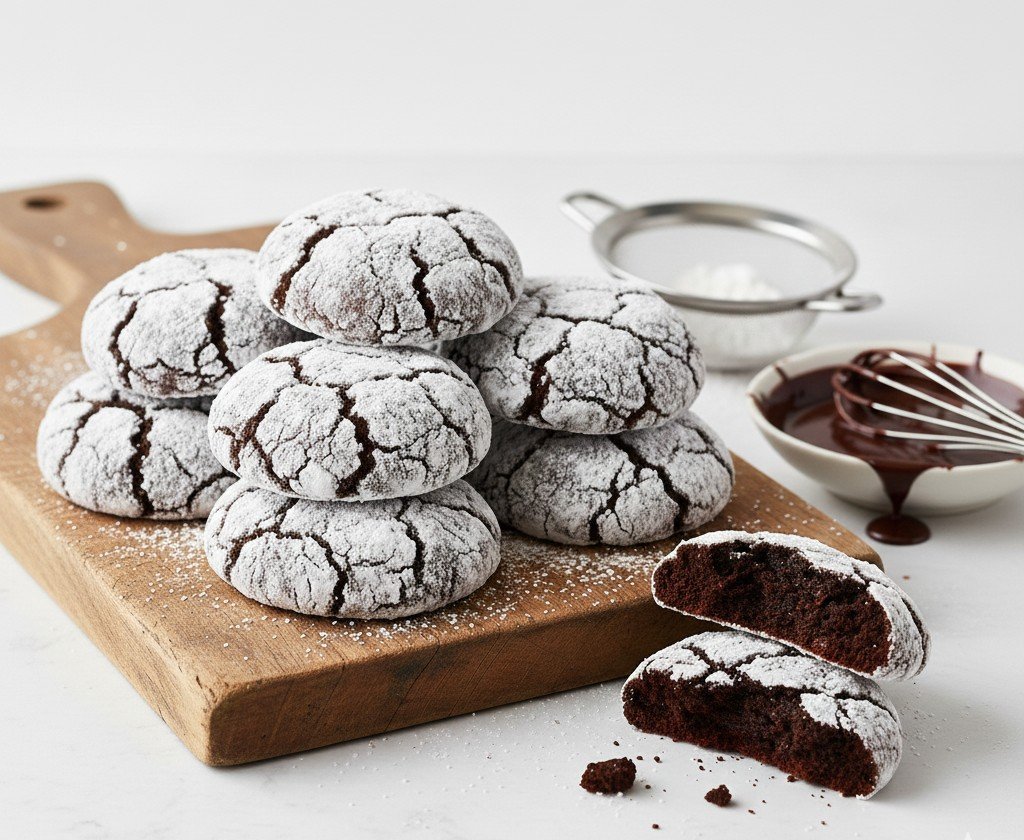
Chocolate Crinkle Cookies are one of those timeless desserts that feel like a warm hug in cookie form. The moment you spot their snowy, powdered-sugar exterior cracking open to reveal rich, dark chocolate, you instantly know you’re in for something indulgent. These cookies strike a beautiful balance: they’re soft and brownie-like inside, slightly crisp outside, and deeply chocolatey without being overwhelmingly sweet. Whether you’re baking for Christmas, Valentine’s Day, a birthday party, or just because your sweet tooth demands a treat, these cookies always deliver.
What’s even more charming is how deceptively simple they are. They look bakery-fancy, yet the steps are straightforward enough for beginners. Kids love rolling the dough in powdered sugar, and adults love the sophisticated flavor that comes from using real cocoa powder. It’s the kind of cookie that brings everyone to the kitchen—not just to eat them, but to watch them being made. There’s something magical about seeing the cookies puff, spread, and crackle in the oven as the powdered sugar melts and shifts around the dough.
In today’s baking world, where trends come and go, Chocolate Crinkle Cookies remain a constant favorite. They carry nostalgia, comfort, and a sense of tradition. And once you master this recipe, you’ll likely find yourself making them every holiday season… or honestly, whenever you need a fudgy chocolate fix.
Why Chocolate Crinkle Cookies Are So Loved
Chocolate Crinkle Cookies have a charm that goes way beyond their appearance. Sure, they look stunning with their snowy-white powdered coating and dramatic dark cracks, but the real love comes from that first bite. The texture is a perfect marriage between a cookie and a brownie—soft, fudgy, and melt-in-your-mouth on the inside, with a delicate, slightly crisp exterior. It’s that contrast that makes the eating experience so satisfying. Every bite gives you something different: a hit of rich cocoa, a whisper of sweetness from the powdered sugar, and a warm, comforting flavor that feels like a cozy winter evening.
Another reason they’re so adored is their versatility. These cookies fit every occasion. Holiday dessert tables? They steal the spotlight. School bake sales? They disappear first. A late-night chocolate craving? They’re the answer. They also feel a bit nostalgic—like something that belongs in a family recipe box passed down for generations.
They’re also incredibly beginner-friendly. You don’t need complicated techniques, special equipment, or expensive ingredients. Even kids can help shape them, roll them, and watch the beautiful crinkles emerge in the oven. That alone creates moments people remember.
Above all, Chocolate Crinkle Cookies remind us that sometimes the simplest treats are the most delightful. No fancy frostings, no layering, no decorations—just pure chocolate goodness wrapped in a beautiful crackled coat.
The History Behind Chocolate Crinkle Cookies
Like many classic desserts, the exact origin of Chocolate Crinkle Cookies isn’t fully documented, but what we do know paints a charming picture. These cookies rose to popularity in the mid-20th century in the United States, especially after they were featured in Betty Crocker’s cookbook. That moment launched them into holiday fame, and the recipe quickly spread through home kitchens, church bake sales, and community cookbooks.
The idea behind the crinkle wasn’t originally aesthetic—it was the natural result of baking a dough with a high moisture content rolled in powdered sugar. As the dough expanded in the oven, the sugary coating split apart, revealing dark, fudgy cracks. That dramatic visual quickly became the cookie’s signature look. People fell in love not just with the taste, but with the character and personality each cookie displayed. No two ever look the same, and that uniqueness added to their charm.
They also became iconic during the holidays because of their snowy appearance. Against a Christmas cookie platter filled with reds, greens, sprinkles, and gingerbread browns, the black-and-white crinkle offers a striking contrast that feels festive and elegant. Over decades, families adopted them as a must-bake treat, and their popularity spread globally. Today, you’ll find Chocolate Crinkle Cookies in bakeries, cafés, and homes everywhere—an enduring testament to simple, delicious baking that stands the test of time.
Essential Ingredients Explained
Understanding the ingredients in Chocolate Crinkle Cookies is the first step toward mastering them. Although the recipe looks simple on paper, each component plays a crucial role in achieving that signature fudgy center and dramatic crackled exterior. Start with all-purpose flour, the structure-builder of the cookie. It’s what helps the dough hold its shape as it bakes. Then comes the heart of the cookie: unsweetened cocoa powder. This is where the deep chocolate flavor originates, giving your cookies that rich, brownie-like intensity.
Next is granulated sugar, which sweetens the dough but also helps create those iconic cracks. As the cookie spreads in the oven, the sugar pulls moisture to the surface, contributing to the crinkling effect. Vegetable oil or melted butter adds moisture and keeps the texture tender. Some prefer oil because it makes the cookies extra soft and almost silky inside, while butter adds a slight richness and depth.
Eggs are essential—they bind the dough and help with leavening. Combined with baking powder, they give the cookies lift and create the texture contrast between crisp edges and a soft middle. A splash of vanilla extract adds warmth and amplifies the chocolate flavor. And of course, the final flourish is powdered sugar, which creates the snowy coating that gives the cookie its classic look. Optional add-ins like chocolate chips, espresso powder, or peppermint extract can take your recipe from classic to gourmet depending on your taste.
Choosing the Right Cocoa Powder
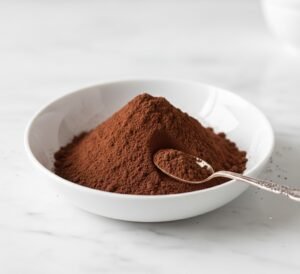
Picking the right cocoa powder is more important than most people realize. It’s not just about “chocolate flavor”—the type of cocoa powder affects the color, taste, texture, and even the crackling pattern of the cookies. You’ll usually choose between natural cocoa powder and Dutch-processed cocoa powder, and the difference is more than just branding.
Natural cocoa powder is lighter in color and sharper in taste, with a slightly acidic profile. It’s often used in traditional American baking because it reacts well with baking powder and baking soda. When you use natural cocoa powder in Chocolate Crinkle Cookies, you get a slightly lighter-colored cookie with a bright, bold chocolate note.
Dutch-processed cocoa, on the other hand, is treated with an alkaline solution to neutralize its acidity. That gives it a smoother, deeper flavor and a darker color—think nearly black. This cocoa creates cookies with a rich, almost luxurious chocolate profile. Many bakers prefer Dutch-processed because it delivers a more sophisticated flavor and gives the cookies a dramatic, dark crackle beneath the white sugar.
If you want intense chocolate flavor, Dutch-processed is the way to go. If you want classic, nostalgic sweetness, natural cocoa powder works beautifully. Some bakers even mix the two for a balanced flavor. Whichever you choose, always pick a good-quality brand; the cocoa powder is the star of this cookie, so this is where it pays to invest a little.
Why Chilling the Dough Matters
If you’ve ever tried to skip chilling your Chocolate Crinkle Cookie dough, you probably discovered the consequences quickly—flat, over-spread cookies with barely any crinkle. Chilling isn’t optional; it’s essential. When the dough rests in the refrigerator, the fats solidify. This helps the cookies hold their shape in the oven and prevents them from melting too quickly. Without this step, the powdered sugar coating dissolves before the cookies expand, leading to faint or nonexistent cracks.
Chilling also allows the cocoa powder to fully hydrate, deepening the chocolate flavor and improving the overall texture. The dough becomes thicker, easier to roll, and significantly less sticky. Anyone who has attempted rolling warm crinkle cookie dough knows it’s like trying to shape brownie batter—messy and frustrating. A properly chilled dough behaves beautifully and forms perfect balls that coat evenly in powdered sugar.
Most recipes recommend chilling for a minimum of 2–3 hours, but overnight is even better. The longer rest time allows the ingredients to meld together, producing a richer, more developed flavor. Some bakers like to scoop the dough before chilling, while others prefer chilling the bowl of dough as is. Either method works, as long as you give the dough enough time to firm up. When in doubt, chill longer rather than shorter.
Secrets to Getting Perfect Crinkles
Achieving those bold, dramatic crinkles is part science and part technique. While the recipe itself matters, the way you handle the dough and sugar coating determines whether you get picture-perfect cracks or a more subtle pattern. The first secret is rolling generously—really generously—in powdered sugar. Many people lightly dust their dough balls, but that creates faint cracks because the sugar melts too quickly. Instead, coat them like you’re packing snowballs. The thicker the powdered sugar layer, the more contrast your cookies will have once baked.
Another trick is to roll the dough balls first in granulated sugar before powdered sugar. This small step acts as a barrier, preventing the powdered sugar from absorbing into the dough too quickly. It also improves texture and increases the boldness of the crinkle pattern. Professional bakers swear by this two-layer coating method because it guarantees those deep, striking cracks every single time.
Temperature also plays a huge role. Warm dough spreads too fast, causing the powdered sugar to dissolve before the cookie can crack. Cold dough, on the other hand, expands gradually, giving the sugar time to split dramatically. That’s why chilling is so essential—not just for texture but for appearance. Finally, spacing the dough balls evenly on the baking sheet ensures proper heat circulation, allowing uniform cracking across all cookies.
Together, these simple techniques transform ordinary Chocolate Crinkle Cookies into bakery-worthy masterpieces.
Step-by-Step Recipe Instructions
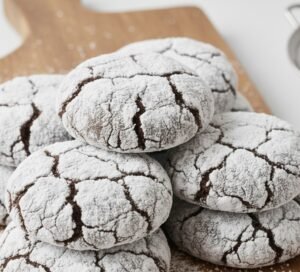
Here’s the part everyone looks forward to—the actual process of making Chocolate Crinkle Cookies. Even if you’re a beginner baker, you’ll find the steps surprisingly simple and approachable. Begin by whisking together the dry ingredients: flour, cocoa powder, baking powder, and a pinch of salt. This ensures the cocoa is evenly distributed, preventing pockets of bitterness. In a separate bowl, mix the sugar, oil or melted butter, eggs, and vanilla until smooth. When you combine the wet and dry ingredients, the dough will be thick, almost like brownie batter, which is exactly what you want.
Once mixed, the dough needs to chill for several hours. This step gives the dough time to firm up, making it easier to roll. After chilling, scoop small portions and roll them into smooth, even balls. Drop each ball first into granulated sugar (optional but recommended) and then generously into powdered sugar. Make sure every surface is covered—this is what creates the snowy exterior and dramatic cracks.
Arrange the coated dough balls on a parchment-lined baking sheet, leaving room for spreading. Bake until the cookies puff up, crack open, and look slightly underbaked in the center. Don’t worry—Chocolate Crinkle Cookies firm up as they cool, giving you that perfect fudgy texture without drying out. Let them cool on the tray before transferring, and enjoy the gorgeous crinkle pattern you’ve created.
Mistakes Bakers Commonly Make
Even the simplest recipes come with pitfalls, and Chocolate Crinkle Cookies are no exception. One of the most common mistakes is not chilling the dough long enough. Warm dough spreads too quickly and flattens out, leaving you with thin cookies and weak crinkles. Always give the dough at least two hours, but overnight is ideal. Another common issue is under-coating with powdered sugar. A light dusting won’t survive the heat of the oven, causing it to disappear completely. If you want bold, snowy crinkles, coat heavily.
Using the wrong type of cocoa can also throw off the flavor. Low-quality cocoa results in dull, bland cookies, so choosing a good brand truly makes a difference. Another common mistake is overbaking. Because these cookies are naturally soft and fudgy, some people panic and leave them in the oven too long. Overbaking ruins the brownie-like center and creates dry, cakey cookies. Remove them when the edges are set, and the centers are slightly soft—they’ll firm up as they cool.
Finally, some bakers make the dough too large. Oversized dough balls don’t crack properly because the center stays too thick while the outside overbakes. Aim for evenly sized, small or medium dough balls for the best results. Avoiding these mistakes guarantees cookies that look beautiful and taste incredible.
Delicious Flavor Variations
One of the best things about Chocolate Crinkle Cookies is how easily they can be personalized. While the classic version is undeniably delicious, experimenting with flavors takes this cookie to a whole new level. A popular variation is the Peppermint Chocolate Crinkle Cookie, perfect for the holiday season. Adding crushed candy canes or a splash of peppermint extract gives the cookies a cool, refreshing twist that pairs beautifully with deep chocolate. It’s like turning your favorite winter hot chocolate into a cookie.
Another incredible variation is the Mocha Crinkle Cookie. If you love the combination of coffee and chocolate, this version is a dream. Adding instant espresso powder to the dough intensifies the cocoa flavor and gives the cookie a subtle coffee aroma that feels grown-up and comforting. It’s the kind of cookie you want to enjoy with a warm latte on a chilly morning.
For something bold and unexpected, try Mexican Chocolate Crinkle Cookies. A pinch of cinnamon and a touch of cayenne pepper transform the cookie into a warm, spicy treat with a flavor depth that surprises everyone. The spice doesn’t overpower—it enhances. You get sweetness, heat, and rich chocolate all in one satisfying bite.
Other fun variations include adding chocolate chips, orange zest, toasted nuts, or even a swirl of caramel in the center. Each twist brings something new without losing the heart of the cookie.
Gluten-Free & Vegan Versions
Chocolate Crinkle Cookies may look rich and indulgent, but they can also be adapted for gluten-free and vegan diets without losing their signature fudgy texture. For a gluten-free version, the easiest swap is using a high-quality 1:1 gluten-free baking flour. Make sure it includes xanthan gum, which mimics the elasticity of gluten. Gluten-free dough can be slightly softer, so chilling becomes even more important. Many bakers find that the gluten-free version spreads a bit more, but the flavor remains spot-on with the same beautiful crinkles.
Creating vegan Chocolate Crinkle Cookies may sound challenging because traditional recipes rely heavily on eggs for structure, but it’s surprisingly achievable. You can replace eggs with flax eggs (a mixture of ground flaxseed and water), which gives the dough a similar binding effect. Use plant-based butter or a neutral oil to keep the texture moist and tender. Make sure your sugar and cocoa powder are vegan-friendly, and everything else works the same way. The cookies bake up soft, rich, and shockingly close to the original.
Some bakers also experiment with aquafaba—the liquid from canned chickpeas—to achieve a lighter, slightly chewier vegan cookie. It sounds strange, but aquafaba whips up beautifully and gives structure that resembles eggs. Whether you’re gluten-free, vegan, or both, you can still enjoy a batch of warm, fudgy Chocolate Crinkle Cookies without compromise.
Storage & Freezing Tips
Chocolate Crinkle Cookies are fantastic fresh out of the oven, but they also store incredibly well, which makes them perfect for meal prepping, gifting, or holiday baking marathons. At room temperature, these cookies stay soft and delicious for about 5–7 days when stored in an airtight container. To maintain freshness, place a slice of bread or a tortilla in the container—a classic baker’s trick that prevents cookies from drying out by sharing moisture.
If you want them to last longer, freezing is your best friend. You can freeze the baked cookies or the unbaked dough balls. For baked cookies, let them cool completely, place them in a freezer-safe bag or container, and freeze for up to three months. When you’re ready to enjoy them, simply thaw at room temperature.
Freezing the dough is even more convenient, especially during busy seasons. Roll the dough balls in granulated sugar and powdered sugar first, then freeze them on a baking sheet until firm. Transfer them to a freezer bag, and when you’re ready to bake, pop them straight into the oven—no thawing needed. Just add an extra minute or two to the baking time. This method gives you fresh, warm cookies anytime you need them, without mixing a new batch.
Occasions These Cookies Are Perfect For
Chocolate Crinkle Cookies have a wonderful way of fitting into almost any occasion, which is one reason they’ve remained such a beloved dessert for decades. They’re best known as a holiday classic, often appearing on Christmas dessert tables, cookie swaps, and gift boxes. Their snowy, crackled appearance makes them feel instantly festive—almost like edible winter landscapes. They stand out beautifully when placed next to gingerbread men, sugar cookies, and peppermint bark, offering a rich chocolate contrast to more traditional holiday flavors.
But these cookies are far from being just a seasonal treat. They’re fantastic for birthday celebrations, especially for chocolate lovers who want something different from the usual cake or brownies. They’re also a wonderful choice for bake sales because their unique look attracts attention, and their rich flavor makes them crowd-pleasers. Teachers, friends, and coworkers often rave about them, making them an easy go-to when you want to bring something special.
Chocolate Crinkle Cookies are also great for everyday moments, like movie nights, rainy afternoons, or weekend baking with kids. They’re simple enough for spontaneous baking yet classy enough for dinner parties or potlucks. Whether you’re gifting them, entertaining guests, or treating yourself to a warm cookie with a cup of coffee, they always feel like the right choice. Their versatility is part of their charm—they adapt effortlessly to every atmosphere.
Best Drink Pairings
Pairing Chocolate Crinkle Cookies with the right drink can elevate the eating experience from delightful to unforgettable. Their deep chocolate flavor and soft, brownie-like texture make them incredibly versatile when it comes to beverage options. One of the best pairings is a glass of cold milk, which balances the richness perfectly and creates that classic nostalgic combination we all love. Milk cuts through the intensity of the chocolate while enhancing its creamy notes.
For a cozy experience, enjoy them with hot chocolate. Yes—chocolate on chocolate. The warm, velvety drink complements the cookie’s fudgy center, creating a double-dose indulgence that’s perfect for winter nights. If you prefer something less sweet, black coffee or espresso works beautifully. The slight bitterness of coffee enhances the sweetness of the cookie and brings out deeper cocoa flavors.
Tea lovers aren’t left out either. Peppermint tea, tea, and earl grey all pair well with Chocolate Crinkle Cookies. Each brings its own flavor profile that contrasts nicely with the chocolate. Peppermint provides a refreshing coolness, chai adds warmth and spice, and earl grey brings a subtle citrus note.
For something a bit more adult, try pairing the cookies with a dessert wine like port or banyuls, which naturally complement chocolate desserts. Whether you choose something warm, cold, sweet, or bold, the right drink pairing enhances the cookie’s flavor in ways that feel comforting and luxurious.
Final Baker Tips & Tricks
Even though Chocolate Crinkle Cookies are beginner-friendly, a few expert tips can take your baking to the next level. First, always measure your ingredients accurately, especially the flour and cocoa powder. Using too much flour can lead to dry, cakey cookies, while too little will make the dough overly sticky and difficult to handle. If possible, use a kitchen scale—it eliminates the guesswork.
Another helpful tip is to pre-roll your dough balls before chilling. This prevents the dough from becoming too firm, which can make shaping more difficult later. Once rolled, refrigerate or even freeze the dough balls until ready to bake. This method ensures a consistent shape and helps maintain the perfect fudgy texture.
Don’t forget to coat the dough generously in powdered sugar. If you want that dramatic black-and-white contrast, consider rolling in granulated sugar first. This prevents the powdered sugar from dissolving too quickly in the oven. Also, bake one test cookie before committing the entire tray. If it spreads too much, chill the dough longer; if it doesn’t spread enough, let the dough warm slightly.
Finally, keep an eye on baking time. Pull the cookies out when they appear slightly underdone—they’ll continue to set as they cool. Using these small but effective techniques, you’ll consistently create bakery-level Chocolate Crinkle Cookies that everyone will rave about.
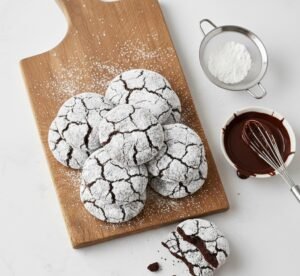
Conclusion
Chocolate Crinkle Cookies are more than just a dessert—they’re a warm memory, a holiday tradition, and a chocolate lover’s dream. With their rich flavor, striking appearance, and soft, fudgy texture, they manage to bring joy to any occasion without requiring complicated skills or fancy equipment. Whether you stick to the classic recipe or venture into exciting variations like peppermint, mocha, or spicy Mexican chocolate, these cookies offer endless opportunities to explore and enjoy.
By understanding ingredients, mastering chilling and coating techniques, and avoiding common baking mistakes, anyone—from beginners to seasoned bakers—can create perfect crinkles every single time. They’re fun to make, gorgeous to look at, and irresistible to eat. And once you experience the magic of biting into that crackled powdered-sugar exterior and reaching the soft chocolate center, you’ll understand why these cookies have remained a beloved favorite for decades.
So the next time you want a dessert that’s easy, impressive, and guaranteed to delight, Chocolate Crinkle Cookies are the answer. Happy baking!
FAQs
1. Why did my Chocolate Crinkle Cookies not crack?
Your dough was likely too warm. Chilling is essential for creating proper cracks.
2. Can I make the dough ahead of time?
Yes! The dough can be refrigerated for up to 48 hours or frozen for 3 months.
3. Can I use brown sugar instead of granulated sugar?
You can, but it will slightly change the texture and reduce the dramatic cracking effect.
4. Why did my powdered sugar melt during baking?
You may not have used enough. Roll generously or use the granulated-then-powdered sugar method.
5. Can I make these cookies without eggs?
Absolutely—use flax eggs or aquafaba for a vegan-friendly version.
Chocolate Crinkle Cookies Recipe

A soft, fudgy, crackled chocolate cookie rolled in powdered sugar. Perfect for holidays, parties, or everyday baking
- Prep Time: 15 minutes
- Cook Time: 10–12 minutes
- Total Time: 25-27 minutes
- Yield: 24 cookies
- Category: Cookies / Dessert
- Cuisine: American
Ingredients
Dry Ingredients
-
2 cups all-purpose flour
-
1 cup unsweetened cocoa powder
-
2 teaspoons baking powder
-
½ teaspoon salt
Wet Ingredients
-
2 cups granulated sugar
-
½ cup vegetable oil (or melted butter)
-
4 large eggs
-
2 teaspoons vanilla extract
Coating
-
½ cup granulated sugar (optional but recommended)
-
1 cup powdered sugar
Instructions
- In a large bowl, whisk together the sugar, oil, eggs, and vanilla until smooth and well combined.
- In a separate bowl, whisk the flour, cocoa powder, baking powder, and salt.
- Add the dry mixture to the wet mixture and stir until a thick brownie-like dough forms.
- Cover and refrigerate for at least 2 hours or overnight for best results.
- Preheat oven to 350°F (175°C). Line a baking sheet with parchment paper.
- Scoop chilled dough and roll into 1–1.5 inch balls. Roll each ball first in granulated sugar, then generously in powdered sugar.
- Place on the baking sheet, spaced 2 inches apart. Bake for 10–12 minutes, until the cookies crack and the edges are set but the centers remain soft.
-
Let cool on the baking sheet for 5 minutes before transferring to a rack. Enjoy warm or store for later!
Notes
-
Chill the dough long enough to prevent spreading.
-
Rolling in granulated sugar first creates bolder crinkles.
-
Do not overbake—cookies firm as they cool.