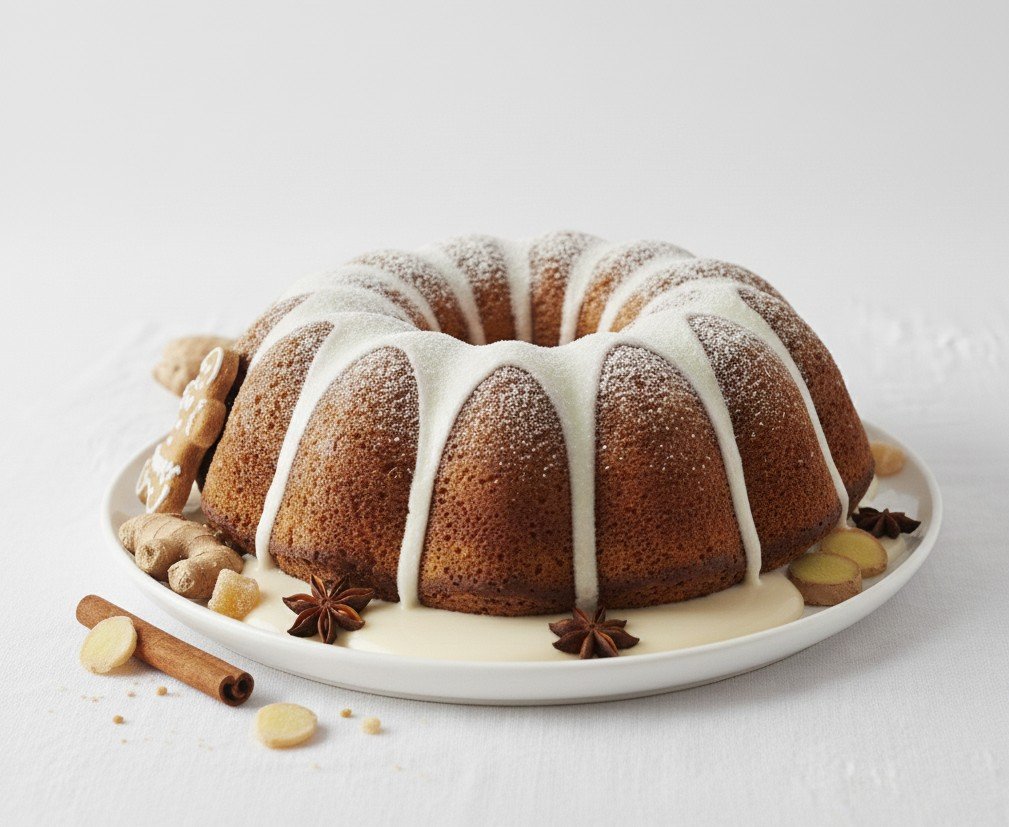
There’s something magical about a gingerbread Bundt cake fresh out of the oven—the aroma of cinnamon, ginger, nutmeg, and cloves filling the kitchen, the warm molasses flavor that instantly reminds you of holidays, and the rich, moist crumb that feels like comfort in every bite. A gingerbread Bundt cake isn’t just a dessert; it’s an experience. It’s the kind of recipe that transports you back to childhood memories, holiday gatherings, and cozy winter evenings even before you take the first bite. The beauty of this recipe lies not only in its nostalgic flavor but also in the elegance of the Bundt shape. A Bundt pan takes a simple cake batter and turns it into a centerpiece—no decorating skills required. With its ridges and curves, the cake naturally looks festive.
One of the best parts about this gingerbread Bundt cake is that it strikes the perfect balance between sweet and spiced. Molasses brings a deep, caramel-like sweetness that complements the brightness of ground ginger. Cinnamon adds warmth, while nutmeg and cloves add a subtle complexity that makes each slice taste layered and full. Whether you’re baking for Christmas, Thanksgiving, or simply craving something cozy, this cake delivers every time. Another reason this recipe stands out is its moist, tender texture. Thanks to the combination of molasses, butter, and buttermilk, the cake stays soft for days—making it ideal for prepping ahead of time for parties.
Not only is this recipe easy enough for beginners, but it’s also impressive enough to wow guests. The ingredients are simple and pantry-friendly, and the method is straightforward. Even if you’ve never baked a Bundt cake before, this recipe will walk you through every detail to ensure success. From preparing the pan to mixing the batter to glazing the final cake, you’ll get a foolproof guide from start to finish. If you’re ready to make a cake that smells like Christmas, tastes like nostalgia, and looks absolutely stunning on any table, let’s dive in.
What Makes Gingerbread Bundt Cake Special
Gingerbread Bundt cake has a unique charm that sets it apart from every other holiday dessert. Sure, cookies are fun and pies are traditional, but a Bundt cake? It has an elegance that feels celebratory without requiring complicated decorating skills. One of the reasons this cake stands out is its unmistakable flavor profile. The moment you take a bite, you’re hit with warm spices that feel like a cozy blanket on a cold winter night. Ginger gives it that signature kick, cinnamon wraps it in warmth, nutmeg smooths out the flavors, and cloves add a deep, almost nostalgic aroma that many associate with festive seasons. But it’s not just the spices—molasses plays the leading role, giving gingerbread its deep brown color and rich, almost smoky sweetness that lingers pleasantly on the palate.
Another aspect that makes gingerbread Bundt cake so special is its moist, tender texture. Many gingerbread desserts can lean dry, especially cookies, but this cake remains soft and luscious thanks to the inclusion of butter, eggs, and buttermilk. The shape also affects texture; Bundt pans allow heat to circulate evenly, creating a cake that bakes perfectly through the center without becoming dense or heavy. Each slice is beautifully patterned with the pan’s ridges, meaning it looks stunning without any extra effort. Add a light dusting of powdered sugar or a drizzle of glaze, and it instantly looks professional.
Beyond flavor and texture, this cake holds emotional significance for many people. Gingerbread has been a holiday tradition for centuries, symbolizing warmth, generosity, and celebration. Serving a gingerbread Bundt cake at a gathering instantly brings people together, sparking conversation, nostalgia, and the kind of shared joy that defines the season. Whether it’s enjoyed with hot cocoa, coffee, or a glass of mulled wine, this cake becomes more than a dessert—it becomes a moment of connection. That’s what makes gingerbread Bundt cake truly special.
Ingredients Overview
Before you begin mixing and baking, it helps to fully understand the ingredients that make a gingerbread Bundt cake work. Each component plays a specific role in creating the cake’s signature flavor, texture, aroma, and appearance. Gingerbread isn’t just “spiced cake”—it’s the combination of warm spices, rich molasses, and tenderizing liquids that create a result that feels both old-fashioned and indulgent. When you understand why each ingredient matters, you’ll feel more confident as you bake, and you’ll be able to adjust flavors to your liking without compromising the cake’s structure. This section breaks down the dry ingredients, wet ingredients, and optional add-ins that allow you to customize the recipe based on your tastes or what you have in your pantry.
Dry Ingredients
The dry ingredients are the backbone of the gingerbread Bundt cake, providing structure and stability while carrying the flavor of the spices. Flour is, of course, the base of the cake. All-purpose flour works beautifully because it offers the perfect balance—strong enough to hold the cake’s shape when released from a Bundt pan but soft enough to create a tender crumb. You also need leavening agents, usually baking soda and sometimes baking powder. Molasses is acidic, which means baking soda reacts quickly, helping the cake rise evenly and develop a surprisingly light texture despite its rich flavor.
Spices are where the magic truly happens. Ground ginger delivers the iconic gingerbread punch—it’s sharp, warm, and slightly sweet. Cinnamon brings comforting warmth, adding body to the spice blend. Nutmeg offers a subtle earthiness that rounds out the flavor profile, and a pinch of cloves deepens the aroma with its rich, almost mysterious scent. Salt is equally important; it enhances all the flavors and keeps the sweetness balanced. Some bakers also add a small amount of cocoa powder, not enough to make the cake taste like chocolate, but just a tablespoon or two can deepen the color and amplify the richness.
Wet Ingredients
The wet ingredients bring moisture, richness, and depth of flavor to your gingerbread Bundt cake. Molasses is the star of this category. It gives the cake its bold brown color, sticky-sweet flavor, and slightly smoky undertone that makes gingerbread taste unmistakably like gingerbread. The type of molasses you choose matters; unsulfured molasses is best for baking because it has a clean, smooth flavor without bitterness. Avoid blackstrap molasses for this recipe unless you prefer a much stronger, more intense taste.
Butter contributes richness and tenderness, creating a crumb that melts in your mouth. Creaming butter with sugar adds air to the batter, helping the cake stay fluffy. Eggs serve as both a binder and a tenderizer; they add structure while also contributing to moisture and stability. Buttermilk is another key ingredient—it reacts with baking soda and activates the leavening process while producing a soft, delicate texture. The acidity of buttermilk also adds a subtle tang that enhances the complexity of the spices.
Optional Add-Ins
Optional add-ins give you the freedom to personalize your gingerbread Bundt cake. Some bakers like to add candied ginger for an extra spicy kick and chewy texture. Others prefer chopped nuts—walnuts and pecans are both great choices for adding crunch and depth. If you’re feeling adventurous, chocolate chips can be folded into the batter; the pairing of gingerbread spices and dark chocolate is surprisingly delicious. Citrus zest, especially orange or lemon, brightens the flavor and adds a refreshing contrast to the molasses. These extras aren’t necessary, but they can elevate your cake and make it uniquely yours.
Essential Baking Tools
Every great recipe becomes easier—and far more enjoyable—when you have the right tools on hand. Baking a gingerbread Bundt cake doesn’t require anything overly fancy, but a few specific items make a significant difference in your results. Since Bundt cakes rely so heavily on shape, even baking, and clean release, the tools you choose can affect everything from texture to appearance. In this section, we’ll break down the most important tools you need and why they matter, so you can bake with confidence and avoid common mishaps.
Having these essentials ready before you start mixing ensures a smooth baking experience. And trust me, once your kitchen fills with that warm molasses-and-spice aroma, you’ll want everything prepared so you can focus on the joy of baking rather than scrambling for missing tools.
Bundt Pan Types
Bundt pans come in many shapes, sizes, and materials, but not all are created equal. The traditional Bundt pan holds 10 to 12 cups of batter and features the classic ridged design that creates stunning, show-stopping cakes. You’ll also find modern interpretations—pans shaped like snowflakes, trees, flowers, or geometric patterns. While these are beautiful, the more intricate the design, the more careful you must be with greasing to prevent sticking.
Material also matters. A heavy-gauge aluminum Bundt pan offers even heat distribution and reliable results. Nonstick Bundt pans are especially helpful for recipes like gingerbread, which can be sticky due to the molasses. If your pan has a darker coating, keep an eye on bake time, as darker metals absorb more heat and can cause overbrowning if left unchecked. Regardless of the type you choose, make sure it’s from a high-quality brand—cheap pans often lead to frustration when the cake refuses to release cleanly.
Whisks, Mixers, and Spatulas
A good electric mixer, whether handheld or a stand mixer, makes creaming butter and sugar effortless. Creaming incorporates air into the batter, giving your cake a lighter texture. If you don’t have a mixer, you can cream by hand using a sturdy wooden spoon, though it requires more elbow grease. Whisks are essential for blending dry ingredients uniformly, ensuring your spices distribute evenly throughout the batter.
Rubber or silicone spatulas are invaluable when it’s time to fold the batter together. Their flexibility helps you scrape every bit of batter from the bowl—important when working with sticky ingredients like molasses. Plus, they help prevent overmixing, which can make a cake dense or tough. Having a sturdy spatula on hand makes the entire process smoother and more enjoyable.
Cooling Rack and Thermometer
A cooling rack might not seem essential, but it plays a crucial role in finishing your Bundt cake properly. Bundt cakes need airflow underneath them as they cool; otherwise, condensation can make the bottom soggy. A cooling rack ensures the cake cools evenly and maintains its structure. Once the cake is inverted, the rack helps prevent steaming, which can soften the crust.
An instant-read thermometer is another underrated but incredibly useful tool. While the toothpick test works, a thermometer gives you precise results. The ideal internal temperature for a fully baked Bundt cake is around 200–205°F (93–96°C). This helps you avoid overbaking, which is especially important with gingerbread—its spices and molasses can cause it to dry out faster than lighter cakes if left in the oven too long.
Preparing the Bundt Pan Properly
One of the most critical steps in baking a perfect gingerbread Bundt cake happens before the batter even touches the pan. Ask any experienced baker, and they’ll tell you the same thing: the key to a flawless Bundt cake is preparing the pan correctly. Because Bundt pans have intricate designs, deep ridges, and curves, they can be tricky. A beautifully baked cake can turn into a broken, crumbled mess if it sticks—even slightly. That’s why taking a few minutes to prep the pan with care is absolutely essential. Gingerbread batter is thick, sticky, and heavy thanks to molasses, so proper greasing is even more important with this recipe than with a typical vanilla or chocolate Bundt cake.
Preparing the pan thoroughly not only ensures a clean release but also preserves the cake’s decorative pattern. The ridges come out sharp, the edges smooth, and the top glossy and uniform. It’s the difference between a cake that looks homemade and one that looks bakery-perfect. Plus, when your cake releases easily, glazing becomes easier and more visually appealing because the surface is smooth and unbroken.
Greasing Methods
Greasing a Bundt pan correctly is an art. The most reliable method is using a pastry brush or clean paper towel to apply a thin but thorough layer of softened butter to every nook and cranny. The key word here is every—don’t skip the center tube or the deep grooves. You want an even coating, not thick globs, just enough to create a barrier between the batter and the pan. After the butter, you can dust the pan lightly with flour, tapping out any excess.
Another option many bakers swear by is the combination of vegetable shortening and flour. Shortening spreads smoothly and sticks to the pan well, and when paired with flour, it forms a protective coating that minimizes sticking. For those who prefer convenience, nonstick baking sprays that contain flour—like “Baker’s Joy” or “Pam Baking”—are incredibly effective. However, avoid regular cooking sprays because they don’t adhere as evenly and may cause residue buildup over time.
Flour Coating
Once your pan is greased, adding a light coating of flour helps ensure the cake pops out effortlessly. You only need a tablespoon or so of flour. Add it to the pan, tilt and rotate, tapping gently to distribute it evenly across every surface. You’ll see the butter or shortening pick up the flour as you go. This combination acts like a nonstick shield against the sticky molasses-rich batter.
The secret is balance—too little flour won’t cover the greased surface, but too much flour can leave a chalky appearance on the finished cake. If you notice clumps, tap the pan upside down over the sink or trash bin to remove the excess. When done correctly, this step guarantees that your cake slides out cleanly with all the detailed patterns intact.
How to Prevent Sticking
Preventing sticking is about more than just greasing and flouring. Temperature also plays a role. Always pour the batter into the pan right after greasing—waiting too long can cause the grease to slide down into the base of the pan, leaving the sides unprotected. Letting the cake cool for the right amount of time also matters. Most Bundt cakes release best when they cool for 10–15 minutes in the pan. Any longer, and the sugars begin to harden, gripping the pan more tightly.
If your cake does resist, don’t force it out. Place a clean, damp kitchen towel over the pan for a few minutes—the steam will loosen the cake gently. Usually, after a gentle shake or tap, it will release beautifully. With these techniques, your gingerbread Bundt cake will come out clean every time.
Mixing the Dry Ingredients
Mixing the dry ingredients is a simple step, but it’s one that sets the foundation for the entire gingerbread Bundt cake. When dry ingredients are blended properly, your spices distribute evenly, the leavening agents activate correctly, and the cake bakes with a consistent texture throughout. If they’re not mixed well, you might end up with pockets of overwhelming spice, uneven rising, or dense sections in your cake. This step ensures balance—every bite tasting just as warm and flavorful as the last. Because gingerbread relies heavily on spices, this part of the process matters more than it might with a standard vanilla cake.
Start by gathering all your dry components: flour, spices, baking soda, baking powder (if using), cocoa powder (optional), and salt. Using a large mixing bowl gives you enough room to whisk thoroughly without spilling. Whisking, rather than simply stirring, introduces air and helps break up clumps in the flour and spices. Spices like ginger and cinnamon tend to compact easily, so whisking ensures every part of the batter receives equal flavor. Not only does this create a smoother batter later, but it also prevents streaks or uneven coloration in the final cake.
Spices
Spices are the heart and soul of any gingerbread recipe. The blend traditionally includes ground ginger, cinnamon, nutmeg, and cloves. Ground ginger offers that signature sharp warmth—it cuts through the sweetness of the molasses and gives the cake its unmistakable gingerbread personality. Cinnamon balances that sharpness with its comforting, homey aroma. Nutmeg brings depth, adding a slightly nutty, earthy undertone that enhances the richness of the cake. Cloves deliver a deep, almost smoky fragrance, giving the cake a nostalgic holiday feel.
To keep your spices fresh and potent, always store them in airtight containers away from heat and sunlight. Old spices lose flavor, and your cake will suffer for it. If you really want to elevate the flavor, freshly grated nutmeg is an excellent upgrade—it’s incredibly aromatic and gives your cake a luxurious finish.
Flour
All-purpose flour is the ideal choice for gingerbread Bundt cake because it provides the perfect balance of strength and tenderness. The structure it creates allows the cake to release cleanly from the Bundt pan without crumbling, while still producing a soft, moist interior. Before adding flour to your mixture, it’s a good idea to sift it or whisk it well to incorporate air and eliminate lumps.
If you’re aiming for a lighter texture, you can substitute a small portion of the all-purpose flour with cake flour. However, don’t swap too much—Bundt cakes need a bit of sturdiness to maintain their shape. Whichever flour you choose, measure carefully using the spoon-and-level method to avoid adding too much, which can make the cake dense or dry.
Leavening Agents
Leavening agents determine how well your gingerbread Bundt cake rises. Baking soda is the primary leavener in gingerbread because it reacts quickly and effectively with the natural acidity in molasses and buttermilk. This chemical reaction creates air bubbles that help give the cake its beautiful, tender crumb. Some recipes add a small amount of baking powder for extra lift, though it’s optional.
To ensure your leavening agents work properly, make sure they’re fresh. Baking soda and baking powder lose potency over time, and stale leaveners can result in dense, flat cakes. A quick test: sprinkle a little baking soda into vinegar—if it fizzes strongly, it’s good to go. Measure carefully and mix thoroughly with the flour and spices so the cake rises evenly during baking.
Mixing the Wet Ingredients
Mixing the wet ingredients is where the gingerbread Bundt cake begins to develop its signature richness, moisture, and deep, cozy flavor. This step combines the ingredients that give the cake its unmistakable identity: molasses, butter, eggs, sugar, and buttermilk. Together, these components create a smooth, velvety base that blends beautifully with the dry ingredients later. The goal is to mix the wet ingredients thoroughly—but not aggressively—so they integrate without adding too much air or overworking the batter. Overmixing can create tunnels in your cake or make it tough, so gentle blending is key.
Wet ingredients also play a major role in controlling the final texture of the cake. Buttermilk tenderizes, butter adds richness, eggs give structure, and molasses provides both moisture and flavor. When mixed correctly, this combination leads to a cake that’s soft, moist, and capable of staying fresh for days. It’s one of the reasons gingerbread Bundt cake is a favorite for holiday gatherings—you can make it ahead and it still tastes incredible.
Molasses
Molasses is the heart of gingerbread flavor. It’s thick, dark, and richly sweet with a slightly smoky, almost caramel-like depth that no other ingredient can replicate. When you open the bottle, the aroma alone tells you why it’s essential for authentic gingerbread. It also contributes to the cake’s moist texture by retaining moisture inside the crumb. Unsulfured molasses is the best choice because it provides a smooth, well-rounded flavor without bitterness.
Be mindful of the type of molasses you choose. Blackstrap molasses is far more intense, with a pronounced bitterness and less sweetness. While some bakers like that bold flavor, it can overpower the spices and make the cake too robust for most people’s preferences. If you enjoy a traditional, balanced gingerbread taste, stick with regular dark molasses. It complements the warm spices beautifully and helps achieve the cake’s deep brown color.
Butter
Butter is the foundation of richness in this cake. Creaming softened butter with sugar is one of the most important steps because it introduces just the right amount of air into the batter. This ensures the cake bakes up light enough to avoid heaviness, even with molasses weighing everything down. Use room-temperature butter—not too cold, not melted—so it blends smoothly. If it’s still firm, it won’t cream properly; if it’s melted, the cake will be dense.
Butter also contributes significantly to flavor. Its creamy, slightly sweet profile enhances the spices and gives the cake a luxurious texture that feels indulgent without being overwhelming. Some bakers substitute oil for moisture, but in a Bundt cake where richness and flavor matter, butter is the superior choice. It helps create that perfect, tender crumb that gingerbread lovers expect.
Eggs and Dairy
Eggs are crucial for binding the ingredients together and providing structure so the cake holds its shape. They also add moisture and help emulsify the batter, creating a smooth consistency. Make sure your eggs are at room temperature because cold eggs can cause the butter mixture to seize or curdle, affecting the cake’s texture. Add them one at a time, mixing gently after each addition to ensure even incorporation.
Buttermilk brings tanginess and tenderness to the cake. Its acidity reacts with baking soda, helping the cake rise evenly and develop a soft crumb. If you don’t have buttermilk, you can make a simple substitute by adding a tablespoon of lemon juice or vinegar to a cup of milk and letting it sit for a few minutes. However, real buttermilk gives the best results because it has a fuller flavor and thicker texture.
Bringing the Batter Together
Once both your dry and wet ingredients are perfectly prepared, it’s time to bring them together—this is the moment where your gingerbread Bundt cake officially becomes a rich, fragrant batter. This step may seem simple, but it’s actually one of the most important parts of the whole process. The way you combine your mixtures will determine the texture, crumb, moisture level, and even the rise of your cake. Overmixing can result in a dense or chewy cake, while undermixing can leave pockets of flour or uneven spice distribution. The goal here is balance—smooth, consistent batter without overworking it.
Start by adding the dry ingredients to the wet ingredients in small batches. This gradual method prevents lumps and ensures a more uniform mixture. As soon as the flour begins to disappear into the batter, pause and scrape down the sides of the bowl. Gingerbread batter is thick due to molasses, and dry patches can hide easily in the mixture. Taking your time helps ensure that every part of the batter is incorporated evenly. Use a spatula rather than a mixer at this stage; a mixer can add too much speed and create a dense texture.
Folding Technique
Folding is a gentle mixing method used to blend ingredients without deflating the air already incorporated into the batter. With gingerbread Bundt cake, folding helps maintain just the right amount of lift from the creamed butter mixture and leavening agents. To fold properly, use a large rubber spatula. Start by cutting down through the center of the batter, scooping along the bottom of the bowl, and gently lifting the batter up and over. Rotate the bowl a quarter turn and repeat. This circular, deliberate motion ensures everything blends smoothly without overmixing.
Folding is especially important if you’re adding extras like nuts, chocolate chips, or candied ginger. Adding them after most of the flour has been incorporated helps prevent clumping and keeps them suspended evenly throughout the batter. Fold gently until the add-ins are distributed but not crushed. The more careful you are here, the better your final texture will be.
Avoiding Overmixing
Overmixing is one of the most common mistakes in baking, and Bundt cakes are particularly sensitive to it. When you stir or beat the batter too aggressively, gluten develops in the flour, which can make your cake tough instead of tender. To avoid this, stop mixing the moment the flour disappears. It’s totally fine if a small streak of flour remains—it will blend naturally as the batter settles and bakes.
Another sign of overmixing is a batter that becomes too glossy or stretchy. The ideal gingerbread Bundt batter should look thick, smooth, and slightly grainy due to the spices. If you find yourself having to stir forcefully to incorporate ingredients, you may be overworking it. This is why gentle folding is recommended. Being mindful here results in that perfectly soft, moist crumb that gingerbread cakes are known for.
Ensuring Even Texture
Achieving an even texture means ensuring that no clumps of flour or cinnamon remain hidden in the batter. Start by whisking the dry ingredients thoroughly to evenly distribute the spices before adding them to the wet mixture. As you combine the two, scrape the sides and bottom of the bowl often—molasses-heavy batter likes to cling, and spices can settle in pockets if not mixed carefully.
Before pouring into the Bundt pan, give the batter a final gentle swirl with your spatula to confirm everything is blended. The finished batter should be rich, aromatic, and consistently smooth. If you’re adding mix-ins, check that they’re evenly spread; no one wants a slice loaded with nuts while the next slice gets none. When the batter has an even consistency, you’re ready for the exciting part—getting it into the pan and preparing to bake.
How to Bake the Perfect Gingerbread Bundt Cake

Baking is where everything comes together—the ingredients, the mixing technique, the preparation, and of course, your patience. Gingerbread Bundt cake is a wonderfully forgiving recipe, but getting the bake just right makes the difference between a cake that is simply good and one that is truly exceptional. The way you handle oven temperature, placement, and timing determines whether your cake rises properly, develops a beautifully caramelized crust, and bakes evenly through the center.
Start by preheating your oven thoroughly. Gingerbread batter is on the heavier side because of the molasses, so it needs consistent heat from the moment it enters the oven. Placing the cake into an oven that is still warming up can cause it to rise unevenly. Once the oven is hot, position the Bundt pan on the center rack to ensure even heat circulation. If your oven has hot spots, rotating the pan halfway through baking can help, but do so carefully and quickly so the cake doesn’t collapse.
Oven Temperature
Gingerbread Bundt cake bakes best at 350°F (175°C). This temperature allows the batter to rise steadily without baking too fast on the outside. If the heat is too high, the outer edges may brown too quickly, forming a hard crust while the inside remains underbaked. On the other hand, too low of a temperature can cause the cake to bake slowly and become dense.
If you know your oven runs hot, reduce the temperature by about 10–15 degrees. Using an oven thermometer is always a smart move because many ovens are off by 10–25 degrees without you realizing it. Stability is key: a steady temperature ensures that the molasses and spices caramelize gently, infusing your cake with deep, warm flavors.
Baking Time
Most gingerbread Bundt cakes require 45–55 minutes of baking time. However, the exact time can vary based on your pan’s material, your oven’s quirks, and the thickness of the batter. Rather than relying solely on the clock, start checking your cake at around the 40-minute mark. The top should spring back lightly when pressed, and the edges will pull slightly away from the pan.
A toothpick or cake tester inserted into the thickest part should come out clean or with a few moist crumbs—never wet batter. For absolute accuracy, check with an instant-read thermometer; the center should reach 200–205°F (93–96°C). When the cake hits that temperature, it’s perfectly baked: moist, stable, and fragrant.
When the Cake Is Done
As soon as you pull the cake from the oven, you’ll notice the irresistible aroma of spices filling your kitchen. But the cake isn’t ready to remove from the pan just yet. Let it cool in the pan for 10–15 minutes. This brief rest allows the structure to firm up so it releases cleanly, preventing tearing or sticking. If you try to remove it too soon, it may collapse or break apart. Wait too long, and the cooling sugars can glue the cake to the pan.
When the resting time is up, give the pan a gentle jiggle or tap it on the counter to loosen the cake. Invert it carefully onto a cooling rack and lift the pan away slowly. If you greased and floured it properly, the cake should slide out effortlessly, revealing beautiful, crisp details. You’ll know the bake is perfect when the cake feels slightly springy, smells rich and spicy, and has a deep brown color with a soft, tender crumb.
Cooling the Cake Correctly
Cooling a Bundt cake may seem like the easiest part of baking, but this step is just as important as mixing and baking. A gingerbread Bundt cake, in particular, requires careful cooling because of its dense, moist texture and the intricate design of the pan. When cooled properly, the cake maintains its shape, keeps its tender crumb, and retains maximum moisture. When cooled improperly, it can collapse, stick, or become gummy at the bottom. Cooling is more than waiting—it’s a process that protects the structure and appearance of your cake.
The moment your cake comes out of the oven, the baking continues internally. Steam escapes, the crumb sets, and the outer crust firms up. Allowing this process to happen naturally and gradually ensures that the cake remains moist without becoming soggy. Understanding how long to keep the cake in the pan, when to invert it, and how to finish the cooling will help you achieve bakery-quality results at home.
Cooling Time
Letting your gingerbread Bundt cake cool in the pan for 10–15 minutes is the sweet spot. During this time, the cake continues to set, and the structure stabilizes enough to release cleanly from the pan. If you try to unmold it earlier, the cake may be too soft and fall apart. If you let it sit too long—especially over 20 minutes—the sugars in the molasses can act like glue, making the cake cling stubbornly to the pan.
Use this brief cooling period to set up your cooling rack or prepare your glaze, but don’t rush this step. You might even hear subtle crackling noises as the cake cools—that’s normal and just means the cake is settling into its final texture.
Removing From the Pan
When the 10–15 minutes are up, it’s time to release the cake. Start by giving the pan a gentle shake or tapping it lightly on the countertop. This loosens the edges without damaging the shape. Place a cooling rack over the top of the pan, grip both securely, and invert the pan in one smooth motion. Lift the pan slowly and carefully—if you prepared it properly, the cake should slide out beautifully, revealing perfect ridges and a glossy surface.
If part of the cake seems stuck, don’t panic. Lay a warm, damp towel over the top of the inverted pan for a few minutes. The steam will help loosen the cake from the edges. Never pry the cake out with a knife—this ruins the shape and texture. Patience is the key to a flawless release.
Avoiding Cracks
Cracks in Bundt cakes usually occur from rapid temperature changes or improper handling. To prevent them, place the cake on a cooling rack immediately after it comes out of the pan. This allows air to circulate around the entire cake so it cools evenly. Avoid placing the hot cake on a cold surface, as this can shock the structure and cause cracks.
If you notice small cracks, don’t worry—glaze or powdered sugar will hide them beautifully. But with gradual cooling and gentle handling, you’ll likely end up with a smooth, picture-perfect gingerbread Bundt cake every time.
Glaze & Topping Variations
One of the best things about a gingerbread Bundt cake is how beautifully it pairs with a variety of glazes and toppings. While the cake is already rich, flavorful, and visually striking on its own, adding the right finishing touch can elevate it from delicious to unforgettable. A glaze enhances both the appearance and the taste—adding sweetness, creaminess, or contrast depending on what you choose. Some bakers love a thick, creamy drizzle, while others prefer a light dusting of sugar that keeps things simple and elegant. No matter your preference, there’s a topping option that will complement your gingerbread Bundt cake perfectly.
Vanilla Glaze
A vanilla glaze is the classic choice for gingerbread Bundt cake. It adds a sweet, milky contrast that highlights the warm spices without overpowering them. To make a simple vanilla glaze, whisk together powdered sugar, vanilla extract, and a few tablespoons of milk until smooth. The consistency should be thick but pourable. If you drizzle it while the cake is still slightly warm, the glaze will melt into the ridges, creating a beautiful translucent shine. If you let the cake cool fully before glazing, the drizzle will sit on top, showcasing the decorative patterns of your Bundt pan.
The flavor of vanilla glaze is comforting and familiar, making it a crowd-pleasing choice. It adds just enough sweetness to balance the molasses and spice, and it looks stunning whether you drizzle it in thin ribbons or pour it generously for a thicker finish. If you want to give your glaze a little extra flair, add a splash of maple syrup or a pinch of cinnamon.
Cream Cheese Drizzle
For a richer, more indulgent topping, cream cheese drizzle is an excellent choice. It adds a tangy creaminess that pairs beautifully with the warm spices and deep notes of molasses. To make a smooth cream cheese drizzle, blend softened cream cheese with powdered sugar, milk, and a touch of vanilla. The result should be slightly thicker than a typical glaze but thin enough to pour over the cake.
Cream cheese drizzle gives the cake a luxurious texture and flavor, making it feel like a cross between a Bundt cake and a frosted gingerbread loaf. If you want the drizzle to be extra smooth, make sure all your ingredients are at room temperature before mixing. For an added twist, you can incorporate orange zest or a hint of maple syrup into the drizzle for a seasonal flair.
Powdered Sugar
Sometimes, simplicity is the best choice. A dusting of powdered sugar adds a delicate sweetness and festive look without altering the cake’s deep, rich flavor. It’s especially beautiful on cakes baked in intricately designed Bundt pans because the sugar settles into the ridges, making the pattern stand out.
Powdered sugar works best when the cake is completely cool; otherwise, it melts into the surface. For an extra crisp finish, sift the sugar through a fine mesh strainer for even coverage. This topping is perfect for those who prefer the pure, unaltered flavor of gingerbread or want a low-effort, elegant presentation that looks like it belongs on a holiday table.
Flavor Variations & Add-Ins
One of the great joys of baking a gingerbread Bundt cake is how customizable it can be. While the classic version is rich, spicy, and wonderfully nostalgic, adding your own twist can make the cake feel even more personal and unique. Whether you want to brighten it, intensify it, or add texture, there are countless ways to modify the flavor. This section explores popular variations and add-ins that complement the warm spices and deep molasses base without compromising the structure or quality of your cake.
These additions are optional, but they allow you to put your own creative spin on a traditional holiday classic. Whether you’re baking for your family, hosting a party, or gifting the cake, these variations can make your gingerbread Bundt cake memorable and customized to everyone’s tastes.
Citrus Twists
Citrus brings a refreshing brightness that balances the earthy richness of gingerbread. Orange zest is the most popular option—its sweet, floral aroma pairs beautifully with cinnamon and ginger. Simply add one to two teaspoons of freshly grated orange zest to your wet ingredients for a subtle but noticeable lift. Lemon zest also works, offering a tangier, sharper flavor that cuts through the molasses and adds a lively contrast.
For a more pronounced citrus flavor, replace a few tablespoons of buttermilk with freshly squeezed orange or lemon juice. You can also infuse your glaze with citrus by adding zest or a splash of juice. These variations create a gingerbread cake that feels lighter, fresher, and perfect for those who enjoy a mix of warm spices and bright fruit notes.
Nuts
Nuts are a great way to introduce texture and depth to your gingerbread Bundt cake. Walnuts and pecans are the most common choices, offering a buttery crunch that complements the cake’s soft crumb. Toasting the nuts before folding them into the batter intensifies their flavor and ensures they stay crisp even after baking. Add about half a cup to one cup of chopped nuts depending on how crunchy you want the cake to be.
If you prefer a finer texture, chop the nuts more thoroughly so they distribute evenly. For bigger bites, leave larger pieces. Nuts also pair well with citrus and chocolate, so you can mix variations for a more complex flavor profile. They make each slice more interesting and satisfying, especially for those who love a little crunch.
Chocolate
Chocolate and gingerbread might not seem like an obvious pairing, but they’re surprisingly delicious together. Dark chocolate, in particular, adds a deep, slightly bitter richness that enhances the molasses and spices. You can fold in chocolate chips or chunks, or you can add a tablespoon of cocoa powder to the dry ingredients for a deeper color and subtle chocolate undertone.
For a more decadent twist, drizzle melted chocolate over the cooled cake or mix chocolate into the glaze. Chocolate pairs especially well with orange zest, creating a sophisticated European-style flavor combination. This variation is perfect for chocolate lovers or anyone who wants a richer, more indulgent take on the classic gingerbread Bundt cake.
Serving Suggestions
A gingerbread Bundt cake is the kind of dessert that naturally draws attention—a centerpiece in both flavor and appearance. But how you serve it can elevate the experience even more. Whether you’re preparing it for a cozy family evening, a festive holiday party, or a winter brunch, pairing and presentation matter. The right accompaniments can enhance the warm spices, complement the cake’s dense yet tender crumb, and even create memorable contrasts in flavor and texture. Think of serving suggestions as the finishing touches that transform a delicious cake into an unforgettable dessert moment.
The beauty of gingerbread Bundt cake is its versatility. It can be served warm or at room temperature, dressed up or kept simple, and paired with a wide range of beverages and sides. Because the cake is rich and flavorful on its own, even the simplest serving ideas feel complete. Still, there are plenty of creative ways to make your presentation stand out.
Holiday Table Ideas
During the holiday season, gingerbread Bundt cake shines as both a dessert and a decoration. Place it on a festive cake stand surrounded by holiday greenery, whole cinnamon sticks, and star anise for a rustic, cozy look. A light dusting of powdered sugar resembles fresh snow, adding a magical touch that fits perfectly with Christmas or winter gatherings. If you’re serving it after a holiday dinner, slice the cake in thick, even portions and arrange each slice slightly overlapping on a platter for easy serving.
For themed parties, consider adding decorative elements like small gingerbread cookies, sugared cranberries, or edible gold dust to amplify the festive atmosphere. If you’re hosting a buffet-style event, cutting the cake ahead of time ensures guests can serve themselves comfortably without damaging the delicate Bundt design.
Coffee Pairings
Coffee and gingerbread are a match made in dessert heaven. The bold, robust flavor of coffee enhances the warm spices in the cake and balances its sweetness. A dark roast or espresso pairs beautifully, cutting through the rich molasses notes. If you prefer a milder taste, a medium roast with hints of caramel or chocolate works wonderfully as well.
For a more indulgent experience, serve the cake with a flavored coffee such as cinnamon, vanilla, or hazelnut. Pairing it with a latte or cappuccino adds a creamy contrast that complements the cake’s texture. If you’re serving it at a brunch, offering both coffee and hot cocoa creates a comforting, cozy spread that appeals to guests of all ages.
Ice Cream & Whipped Cream
Sometimes a simple slice of gingerbread Bundt cake becomes extraordinary when paired with something cool and creamy. Vanilla ice cream is an obvious choice—it creates a classic hot-and-cold contrast that melts luxuriously over a warm slice of cake. But don’t stop there: cinnamon ice cream, butter pecan, or even maple ice cream can elevate the flavor pairing and create a seasonal twist.
Homemade or store-bought whipped cream is another delightful option. Light, airy, and subtly sweet, it adds a delicate balance to the dense, rich texture of the cake. For added flavor, whisk in a pinch of cinnamon, nutmeg, or vanilla into the cream before serving. Whipped cream is especially appealing for guests who want a lighter accompaniment compared to ice cream.
Storing & Freezing Gingerbread Bundt Cake
One of the many advantages of gingerbread Bundt cake is how beautifully it keeps. Thanks to the molasses, buttermilk, and butter, this cake stays moist for days—making it ideal for holiday prep, gifting, or enjoying slowly over time. Proper storage not only maintains freshness but also preserves the deep, warm flavors that develop even more fully after the first day. In fact, many people swear that gingerbread tastes better the next day as the spices settle and intensify. Whether you want to keep it on the counter, store it in the fridge, or freeze it for future enjoyment, knowing the best methods ensures your cake stays as delicious as the moment it cooled.
Shelf Life
At room temperature, a gingerbread Bundt cake will stay fresh for 3–4 days, thanks to its naturally high moisture content. The key is keeping it airtight. Use a cake dome, cake carrier, or wrap individual slices tightly in plastic wrap. Avoid leaving it uncovered on the counter—Bundt cakes have more exposed surface area, and the outer crust can dry out quickly if left unprotected.
If you’ve added a cream cheese drizzle, consider refrigerating the cake after the first day, as dairy-based toppings are best stored chilled. Even refrigerated, the cake remains soft and moist when stored properly. Simply allow slices to come back to room temperature before serving for the best texture and flavor.
Wrapping Methods
To preserve maximum moisture, wrap the cake properly after it has completely cooled. If storing the whole cake, wrap it in a double layer of plastic wrap, ensuring all curves and ridges are covered. Follow with an additional layer of aluminum foil for extra protection. This prevents air exposure, which can lead to drying and flavor loss.
If you prefer to store slices individually—which can be convenient for quick snacks—wrap each slice in plastic wrap and place them in an airtight container. This method keeps the slices fresh and prevents them from absorbing odors from other foods. Wrapping also helps the spices retain their strength and prevents the cake from becoming sticky or overly soft.
Freezer Instructions
Gingerbread Bundt cake freezes exceptionally well, making it a great option for baking ahead before the holidays. To freeze the whole cake, wrap it tightly in plastic wrap and then in foil. Place it in a large freezer-safe bag if possible. The double or triple barrier protects against freezer burn and helps maintain texture. The cake can be frozen for up to 3 months without losing quality.
If you’re freezing individual slices, wrap each piece tightly in plastic wrap, then place the wrapped slices into a sealed freezer bag. When you’re ready to enjoy, thaw slices at room temperature for about an hour or warm them gently in the microwave for 10–15 seconds. For whole cakes, thaw overnight in the refrigerator, then bring to room temperature before serving. If desired, add glaze after thawing rather than before freezing.
Common Baking Mistakes & How to Avoid Them
Even the most experienced bakers occasionally run into issues when making Bundt cakes, especially gingerbread, which has a thick batter and sticky ingredients like molasses. The good news? Most problems are completely preventable once you know what causes them. This section breaks down the most common gingerbread Bundt cake mistakes and gives you clear, simple solutions so your cake turns out beautifully every single time. Whether you’re new to Bundt baking or looking to perfect your technique, avoiding these pitfalls will help you achieve a moist, tender, perfectly shaped cake with deep, balanced flavor.
Dry Cake
A dry gingerbread Bundt cake usually comes down to one of three problems: overbaking, incorrect ingredient measurements, or using substitutions that reduce moisture. One of the most common culprits is baking the cake too long or at too high a temperature. Gingerbread batter is dense, so if your oven runs hot, it can dry out the outer edges while the center continues to bake. To avoid this, always check your oven with a thermometer to ensure accuracy. Begin testing the cake at the 40–45 minute mark, even if the recipe suggests a longer bake.
Another issue is adding too much flour. This often happens when flour is scooped directly from the bag, which packs it down and leads to using more than needed. Always use the spoon-and-level method for accuracy. If you’re tempted to substitute ingredients—like swapping butter for oil or buttermilk for regular milk—keep in mind this can change the moisture content significantly. Stick to the original recipe for best results. If the cake still leans slightly dry, a simple syrup brushed over the top can revive moisture beautifully.
Sticking
Sticking is the number-one complaint with Bundt cakes, and gingerbread’s sticky molasses only increases the challenge. This almost always comes down to improper pan preparation. Even if your pan claims to be nonstick, you still need to grease it thoroughly. Use melted butter, shortening, or a baking spray with flour, and make sure every ridge, curve, and the center tube is coated.
Letting the cake cool too long in the pan can also cause sticking. Allow it to rest for 10–15 minutes only—no more. After that, sugars begin to harden and act like glue. If the cake still seems stuck, place a warm towel over the pan for a few minutes to loosen it gently. Avoid using knives or metal tools to pry, as this damages both the cake and the pan.
Uneven Texture
An uneven texture can present itself as dense patches, tunnels, or pockets of spice or flour in the cake. This usually means the batter wasn’t mixed evenly—or was mixed too aggressively. When folding the dry ingredients into the wet mixture, take your time. Scrape the bottom of the bowl frequently, as molasses-heavy batter tends to hide flour pockets.
Overmixing is also a common cause of tunnels or toughness. Once the flour disappears, put your spatula down. Continuing to stir activates gluten, which changes the cake’s structure. Using room-temperature ingredients helps them blend smoothly and reduces the temptation to mix excessively. If you’re adding nuts, chocolate, or candied ginger, incorporate them gently at the very end to maintain a uniform crumb.
Healthier Ingredient Substitutions
While gingerbread Bundt cake is traditionally a rich, indulgent treat, it’s surprisingly easy to adapt the recipe for a lighter, healthier version without sacrificing flavor. Whether you’re reducing sugar, avoiding dairy, or trying to make the cake gluten-free, there are numerous substitutions that still preserve the warm spices, tender crumb, and nostalgic gingerbread aroma. This section breaks down the best ingredient swaps—tested and reliable—so you can modify the recipe to fit your dietary needs or preferences while still enjoying a delicious cake.
The key to successful substitutions is maintaining balance. Gingerbread relies on molasses, fats, and proper moisture levels, so when replacing ingredients, you’ll want options that mimic the texture and function of the original components. With the right adjustments, you can create a lighter cake that’s still deeply flavorful, moist, and satisfying.
Lower Sugar Options
Reducing sugar is one of the easiest ways to make gingerbread Bundt cake lighter. The cake’s natural sweetness largely comes from molasses, which is full-bodied and flavorful on its own. You can safely reduce the granulated sugar by 25–30% without affecting the cake’s structure. This small adjustment cuts sweetness while keeping the cake moist.
If you prefer sugar substitutes, coconut sugar is an excellent choice. It has a caramel-like flavor that complements the spices beautifully and works as a 1:1 replacement for brown sugar. Maple sugar is another option, lending a warm, woodsy sweetness that blends naturally with molasses.
Liquid sweeteners like honey or maple syrup can be used, but adjustments must be made: reduce the buttermilk slightly and increase the flour by a tablespoon or two to maintain the correct consistency. Avoid using artificial sweeteners in this recipe—many don’t hold up well under heat and can alter the cake’s texture.
Dairy-Free Options
Going dairy-free with gingerbread Bundt cake is surprisingly easy. Butter can be replaced with high-quality vegan butter sticks, which mimic the fat and moisture content of dairy butter better than margarine or spreads. Coconut oil also works, although it gives the cake a faint coconut aroma, which some people love and others prefer to avoid.
For the buttermilk, simply combine 1 cup of plant milk (almond, oat, soy, or coconut milk) with 1 tablespoon of vinegar or lemon juice. Let it sit for 5–10 minutes until it curdles slightly—this creates a dairy-free buttermilk substitute that reacts with baking soda just like the original.
Most glazes can easily be made dairy-free using coconut milk or almond milk. If you’re making cream cheese drizzle, use dairy-free cream cheese, which blends beautifully with powdered sugar for a smooth, tangy glaze.
Gluten-Free Flour Choices
Gluten-free gingerbread Bundt cake can be just as moist and delicious as the traditional version when you use the right flour blend. The best results come from a 1:1 gluten-free baking flour that contains xanthan gum, which helps mimic the structure of wheat flour. These blends usually contain a mix of rice flour, potato starch, tapioca starch, and sorghum flour.
When using gluten-free flour, increase the liquid slightly—add one to two extra tablespoons of buttermilk or plant milk. Gluten-free flours absorb more moisture, and the small adjustment helps keep the cake tender rather than crumbly.
Avoid using single flours like almond flour or coconut flour on their own; they behave very differently and will not produce a Bundt cake that holds its shape. A premixed gluten-free blend is the safest and most reliable choice for this recipe.
Conclusion
Gingerbread Bundt cake is more than just a dessert—it’s a warm, fragrant celebration of comfort, tradition, and seasonal joy. From its rich molasses base to the cozy blend of spices that fill your kitchen with irresistible holiday aromas, this cake delivers nostalgia and indulgence in every slice. Whether you’re baking it for a festive gathering, gifting it to a friend, or enjoying it with a warm drink on a quiet evening, the result is always satisfying. Its beautiful shape, moist crumb, and versatile topping options make it a standout centerpiece for any winter occasion.
What’s even better is how customizable this recipe is. You can stick with the classic version or explore the many variations—citrus, nuts, chocolate, healthier swaps, dairy-free choices, and gluten-free alternatives. Each one adds a personal touch that transforms the cake into something uniquely yours. And thanks to the cake’s naturally moist texture, it stores beautifully and even tastes better the next day.
By following the steps laid out—from preparing the Bundt pan properly to mixing gently, baking at the right temperature, and cooling carefully—you’re guaranteed success. Gingerbread Bundt cake may look impressive, but it’s wonderfully approachable, even for beginner bakers. With the right technique and a little patience, you’ll create a dessert that feels warm, nostalgic, and full of holiday magic. Now all that’s left is to slice, savor, and share the experience with the people you love.
FAQs
1. Can I make this gingerbread Bundt cake ahead of time?
Yes! In fact, the cake often tastes even better the next day as the spices deepen. You can bake it 1–2 days ahead, store it in an airtight container, and glaze it just before serving.
2. Why did my Bundt cake stick to the pan?
This usually happens when the pan isn’t greased thoroughly, or the cake cooled too long in the pan. Grease every ridge, dust lightly with flour, and unmold after 10–15 minutes.
3. Can I use light molasses instead of dark molasses?
You can, but dark molasses provides the rich, traditional gingerbread flavor. Light molasses produces a milder and lighter-colored cake.
4. Can I turn this recipe into cupcakes or loaf cakes?
Absolutely! The batter works well in muffins, mini Bundt pans, or standard loaf pans. Just adjust the baking time—cupcakes may take 18–22 minutes, while loaves take 50–60 minutes.
5. What’s the best glaze for gingerbread Bundt cake?
Vanilla glaze is the most classic choice, but cream cheese drizzle adds richness. For something quick and elegant, simply dust with powdered sugar.
PrintBest Gingerbread Bundt Cake Recipe

A moist, spiced gingerbread Bundt cake perfect for holiday baking. Includes glaze options, flavor variations, and storage tips.
- Prep Time: 20 minutes
- Cook Time: 55 minutes
- Total Time: 1 hour 15 minutes
- Yield: 12 slices
- Category: Dessert
- Cuisine: American
Ingredients
Dry Ingredients
-
3 cups all-purpose flour
-
1 tbsp ground ginger
-
2 tsp ground cinnamon
-
½ tsp nutmeg
-
¼ tsp cloves
-
1 ½ tsp baking soda
-
½ tsp baking powder
-
½ tsp salt
Wet Ingredients
-
1 cup unsalted butter, softened
-
1 cup brown sugar
-
1 cup molasses
-
3 large eggs, room temperature
-
1 cup buttermilk
Vanilla Glaze (Optional)
-
1 cup powdered sugar
-
2–3 tbsp milk
-
1 tsp vanilla extract
Instructions
-
Prepare the Oven & Pan
Preheat oven to 350°F (175°C). Grease and flour a 10–12 cup Bundt pan thoroughly. -
Mix Dry Ingredients
In a bowl, whisk together flour, ginger, cinnamon, nutmeg, cloves, baking soda, baking powder, and salt. -
Cream Butter & Sugar
In a large bowl, beat the softened butter with brown sugar until fluffy. Add eggs one at a time, mixing well. Stir in molasses. -
Combine Wet & Dry Mixtures
Add dry ingredients to the butter mixture in 3 parts, alternating with buttermilk. Mix gently until just combined—do not overmix. -
Bake
Pour batter into the prepared Bundt pan. Bake for 50–60 minutes, or until a toothpick inserted into the center comes out clean. -
Cool & Unmold
Allow the cake to cool 10–15 minutes in the pan, then invert onto a cooling rack. Cool completely. - Add Glaze
Whisk glaze ingredients until smooth. Drizzle over the cooled cake.
Notes
Serve at room temperature with coffee, tea, or a scoop of vanilla ice cream.