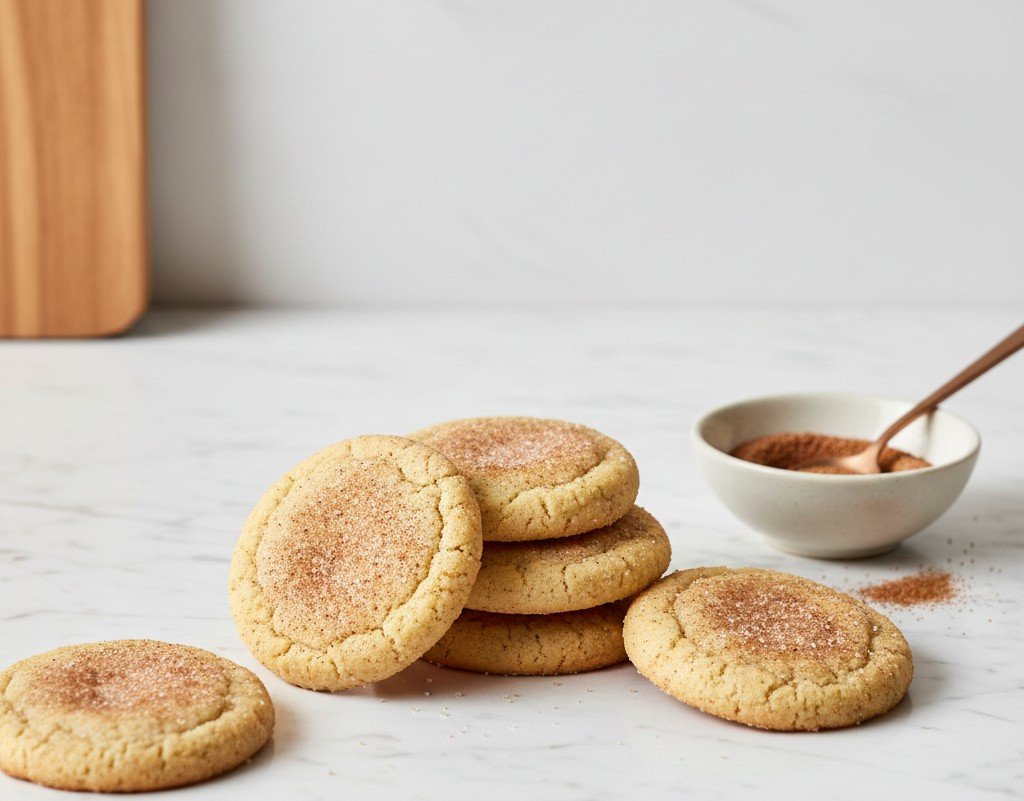
There’s something almost magical about snickerdoodles. The moment you open the oven and that cinnamon-sugar aroma drifts through the house, it feels like time slows down. These cookies don’t try to impress with fancy ingredients or complicated techniques. Instead, they show up quietly, confident in their simplicity, offering comfort in every soft, crackled bite. Snickerdoodles are the kind of cookie that reminds you of after-school snacks, holiday kitchens dusted with flour, and hands sneaking warm cookies off a cooling rack when no one’s looking.
What makes snickerdoodles so special isn’t just their taste, though that cinnamon-sugar coating certainly does heavy lifting. It’s the feeling they bring with them. They’re nostalgic without being outdated, familiar without being boring. One bite can transport you back to childhood kitchens or cozy winter evenings, even if you’re baking them for the first time as an adult. That balance of sweet, tangy, and warmly spiced flavors feels like comfort food in cookie form.
In a world where desserts are often overloaded with layers, fillings, and decorations, snickerdoodles stand their ground. They remind us that sometimes, the simplest things are the most satisfying. And honestly, isn’t that exactly what we crave when life feels a little too loud? A soft, cinnamon-kissed cookie that feels like home.
The History of Snickerdoodles
Origins of the Name
The name “snickerdoodle” sounds playful, almost silly, and that’s part of its charm. While no one can say with absolute certainty where the name came from, most food historians believe it has German roots. One popular theory traces it back to the German word Schneckennudel, which refers to a type of cinnamon roll-like pastry. Over time, as recipes traveled and languages blurred, the name likely evolved into the whimsical “snickerdoodle” we know today.
Another theory suggests the name may have come from the tradition of giving cookies nonsensical or humorous names, especially in New England baking culture. Back in the day, bakers weren’t afraid to have a little fun, and snickerdoodle certainly fits that playful spirit. Regardless of its exact origin, the name stuck, and honestly, it’s hard to imagine these cookies being called anything else.
The quirky name also mirrors the cookie’s personality. Snickerdoodles don’t take themselves too seriously. They’re lighthearted, approachable, and meant to be enjoyed without overthinking. Just saying the word “snickerdoodle” feels like a smile, and that alone makes them memorable.
Snickerdoodles in American Baking Culture
Snickerdoodles became especially popular in the United States during the late 19th and early 20th centuries. They appeared in community cookbooks, handwritten recipe cards, and eventually, printed baking guides that were passed from one generation to the next. These cookies earned their place not because they were trendy, but because they were reliable. They worked every time, using ingredients most households already had on hand.
In American baking culture, snickerdoodles became synonymous with home. They were baked for school events, church gatherings, and family holidays. Unlike delicate pastries that required precision, snickerdoodles welcomed a bit of imperfection. Cracked tops, slightly uneven shapes, and varying cinnamon levels only added to their charm. They were forgiving, which made them perfect for beginner bakers and busy parents alike.
Even today, snickerdoodles hold a steady place in American kitchens. While food trends come and go, this cookie remains a constant. It’s not flashy, but it doesn’t need to be. It has history, heart, and a flavor that continues to resonate across generations.
How Snickerdoodles Became a Household Favorite
The rise of snickerdoodles as a household favorite can be credited to three things: simplicity, flavor, and adaptability. The recipe doesn’t call for anything exotic. Flour, sugar, butter, eggs, cinnamon—these are pantry staples. That accessibility meant anyone could bake them without a special trip to the store, which made them a go-to choice for spontaneous baking sessions.
Flavor-wise, snickerdoodles hit a sweet spot. The tang from cream of tartar balances the sugar, while cinnamon adds warmth without overwhelming the palate. It’s a combination that appeals to kids and adults alike. You don’t need an acquired taste to love a snickerdoodle. It just works.
Adaptability sealed the deal. Bakers began tweaking the recipe to suit their preferences, making them softer, chewier, thicker, or crispier. Some added fillings or mix-ins, while others stuck firmly to tradition. No matter the variation, the soul of the snickerdoodle remained intact. That flexibility helped the cookie endure, earning its place as a true classic.
What Makes a Snickerdoodle Different from Other Cookies
The Role of Cream of Tartar
One of the defining ingredients in a snickerdoodle is cream of tartar, and it’s the reason these cookies don’t taste like ordinary sugar cookies. Cream of tartar adds a subtle tanginess that cuts through the sweetness, giving snickerdoodles their signature flavor. It also reacts with baking soda to create a soft, tender texture that’s hard to replicate with other leavening agents.
Without cream of tartar, you might still get a tasty cookie, but it won’t quite be a snickerdoodle. That slight tang is what makes people pause and say, “There’s something different about this.” It’s a small ingredient with a big impact, quietly doing its job behind the scenes.
Beyond flavor, cream of tartar helps prevent sugar from crystallizing too much, contributing to that soft, chewy interior. It’s a perfect example of how baking is both art and science, where even a teaspoon can change everything.
Texture: Soft, Chewy, and Slightly Tangy
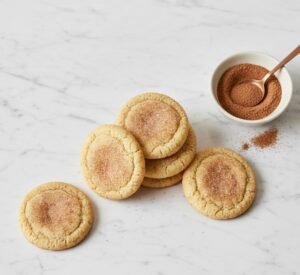
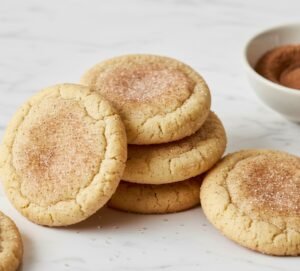
Snickerdoodles are known for their unique texture. The outside has a delicate, crackly surface thanks to the cinnamon-sugar coating, while the inside stays soft and pillowy. Some versions lean more chewy, others more tender, but they all share that comforting bite that melts in your mouth.
The contrast between the slightly crisp exterior and the soft center is part of the appeal. It’s not a cookie you have to fight with. Each bite feels gentle, almost soothing, which is probably why they’re so often associated with comfort and nostalgia.
That tangy undertone also plays a role in how we perceive texture. It keeps the cookie from feeling heavy or overly sweet, making it easy to reach for just one more. And then maybe one after that.
Flavor Profile: Simple but Deeply Comforting
At first glance, the flavor of a snickerdoodle seems straightforward: sugar and cinnamon. But take a closer look, and you’ll notice layers. There’s sweetness from the sugar, warmth from the cinnamon, richness from the butter, and a subtle tang from the cream of tartar. Together, they create a balanced flavor that feels familiar yet satisfying.
This simplicity is what makes snickerdoodles timeless. They don’t overwhelm your taste buds. Instead, they invite you in, offering a gentle, comforting experience. It’s like listening to your favorite old song. You know every note, but it still makes you feel something every time.
Key Ingredients That Define a Perfect Snickerdoodle
Flour: The Foundation
Flour might seem like the most basic ingredient in a snickerdoodle, but it quietly determines everything from structure to softness. All-purpose flour is the classic choice, and for good reason. It strikes the perfect balance between protein and starch, giving snickerdoodles enough strength to hold their shape while still allowing that tender, melt-in-your-mouth texture. Too much protein, like what you’d find in bread flour, can make cookies tough and chewy in the wrong way. Too little, and the dough may spread too much or fall apart.
Measuring flour correctly is crucial. Scooping directly from the bag can pack the flour down, leading to dry, dense cookies. Instead, gently spoon it into your measuring cup and level it off. This small habit can make a surprisingly big difference. Flour also interacts with the liquid ingredients, absorbing moisture and helping create the dough’s final consistency. If your dough feels overly sticky or crumbly, flour is usually the ingredient to adjust—but always in small increments.
In many kitchens, flour represents comfort and tradition. It’s the same ingredient your grandparents likely used, and there’s something grounding about that. In snickerdoodles, flour doesn’t try to steal the spotlight. It simply supports every other flavor, doing its job quietly and well, just like the best comfort foods do.
Butter vs. Shortening Debate
The butter versus shortening debate has been going on in baking circles for decades, and snickerdoodles are right in the middle of it. Butter brings rich flavor and that unmistakable creamy aroma. It also helps create those slightly crisp edges that many people love. Shortening, on the other hand, produces a softer, thicker cookie with less spread and a more uniform texture.
Some traditional recipes actually use shortening, especially older ones, because it was more shelf-stable and affordable. Cookies made with shortening tend to stay softer for longer, which is great if you’re baking ahead. However, they can lack the depth of flavor that butter provides. That’s why many modern bakers compromise by using mostly butter or a mix of both.
If you’re after classic, nostalgic flavor, butter is usually the winner. But if texture is your priority—thick, pillowy snickerdoodles that look like they came from a bakery—shortening might be worth considering. Either way, the choice you make will shape the final personality of your cookies.
Sugar: White, Brown, or Both?
Sugar does more than just sweeten snickerdoodles. It affects spread, texture, moisture, and even flavor. Traditional snickerdoodles use granulated white sugar, which helps create crisp edges and that signature crackled top. It also allows the cinnamon flavor to shine without interference.
Brown sugar introduces moisture and a hint of caramel-like richness thanks to its molasses content. Adding even a small amount can make snickerdoodles chewier and slightly deeper in flavor. Some bakers swear by a mix of white and brown sugar, claiming it offers the best of both worlds: structure from the white sugar and softness from the brown.
The sugar used for rolling is just as important. That cinnamon-sugar coating isn’t just decorative. It creates a delicate crust as the cookies bake, adding texture and aroma. Every time you bite into a snickerdoodle, that outer layer is the first thing you taste, setting the tone for the entire cookie.
Eggs: Binding and Richness
Eggs act as the glue that holds snickerdoodle dough together. They provide structure, moisture, and richness, all in one simple ingredient. Most recipes call for one or two eggs, depending on the desired texture. One egg typically results in a thicker, softer cookie, while two eggs can make the dough slightly looser and the cookies more cake-like.
Egg temperature matters more than many people realize. Room-temperature eggs blend more easily into the butter and sugar mixture, creating a smoother dough. Cold eggs can cause the butter to seize up, leading to uneven mixing. It’s a small detail, but baking is all about small details adding up.
Eggs also help with browning, giving snickerdoodles that light golden color. Without them, the cookies can look pale and lack depth. In many ways, eggs are the quiet backbone of the recipe, doing a lot of work without drawing attention to themselves.
Cinnamon: The Soul of the Cookie
If snickerdoodles had a heartbeat, it would be cinnamon. This warm spice defines the cookie’s identity, turning a simple sugar cookie into something deeply comforting. The key is balance. Too little cinnamon, and the cookie falls flat. Too much, and it can overpower everything else.
Freshness matters here. Ground cinnamon loses its potency over time, so if yours has been sitting in the pantry for years, it might be time for a refresh. A good-quality cinnamon brings warmth and sweetness without bitterness. Some bakers even experiment with different types, like Ceylon or Saigon cinnamon, each offering its own subtle personality.
Cinnamon also has a psychological effect. Its aroma is often associated with warmth, safety, and home. That’s part of why snickerdoodles feel so comforting. They don’t just taste good; they smell like something you want to lean into.
Cream of Tartar and Baking Soda Explained
Cream of tartar and baking soda work together to give snickerdoodles their unique texture and flavor. Cream of tartar is an acid, while baking soda is a base. When combined, they create carbon dioxide, which helps the cookies rise and become tender.
This pairing also contributes to that signature tang. Without cream of tartar, you’d lose that subtle sharpness that separates snickerdoodles from regular sugar cookies. Some bakers substitute baking powder, but the result is noticeably different. Baking powder lacks the acidity needed to recreate the classic flavor.
Together, these two ingredients are a reminder that baking is chemistry in action. When everything is in balance, the result is a cookie that’s soft, flavorful, and unmistakably a snickerdoodle.
The Science Behind Snickerdoodle Texture
Why Cream of Tartar Matters
Cream of tartar doesn’t just add flavor; it affects how proteins in the flour behave. It weakens gluten formation, which helps keep snickerdoodles tender rather than tough. This is especially important because overmixing can easily lead to dense cookies.
By controlling gluten development, cream of tartar ensures that snickerdoodles remain soft even after they cool. That’s why they still taste great the next day, unlike some cookies that dry out quickly. It’s a small ingredient with a big scientific role.
How Sugar Affects Spread and Chew
Sugar melts as cookies bake, causing the dough to spread. Granulated sugar melts more slowly, leading to controlled spread and crisp edges. Brown sugar, with its moisture content, encourages chewiness and less spread. Finding the right balance is key to achieving your ideal snickerdoodle.
The sugar coating also influences texture. As it melts and re-crystallizes, it forms that delicate, crackly surface that makes snickerdoodles instantly recognizable. It’s texture you can see and feel before you even take a bite.
Baking Time and Temperature Secrets
Baking snickerdoodles is all about timing. Too long in the oven, and they lose their softness. Too short, and they may collapse or taste underbaked. The sweet spot is usually when the edges are set but the centers still look slightly soft.
Temperature matters just as much. Baking at a moderate temperature allows the cookies to spread gradually and bake evenly. High heat can cause them to brown too quickly, while low heat may result in pale, dense cookies. Mastering this balance is what turns a good snickerdoodle into a great one.
Step-by-Step Guide to Making Classic Snickerdoodles
Preparing the Dough
Making snickerdoodle dough is a process that feels almost meditative. You start by creaming together the butter and sugar, and this step is more important than it looks. Creaming isn’t just mixing; it’s about incorporating air into the fat, which helps create a lighter, softer cookie. The mixture should turn pale and fluffy, a sign that you’re building the right foundation. Rushing this step often leads to dense cookies, so give it the time it deserves.
Once the eggs are added, the mixture becomes smooth and glossy. This is where the dough starts to feel alive, shifting from a pile of ingredients into something cohesive. In a separate bowl, the dry ingredients—flour, cream of tartar, baking soda, and salt—are whisked together. This ensures even distribution, preventing pockets of bitterness or uneven rise later on.
When combining wet and dry ingredients, gentle mixing is key. Overmixing activates gluten, which can make cookies tough. The dough should be soft but not sticky, easy to roll between your palms. At this stage, chilling the dough is optional but recommended. Even 30 minutes in the fridge can help control spread and intensify flavor, giving you thicker, more consistent cookies.
Mixing Techniques for Best Results
The way you mix your dough directly impacts the final texture. Using a stand mixer or hand mixer on medium speed works well for creaming butter and sugar, but once the flour goes in, it’s time to slow down. Switching to a spatula or mixing on low speed helps prevent overdevelopment of gluten.
Scraping down the sides of the bowl is another small habit that pays off. Ingredients love to cling to the edges, and uneven mixing can lead to inconsistent cookies. Taking a moment to scrape and fold ensures every cookie bakes the same way.
Consistency is your best guide. The dough should feel soft and pliable, not greasy or dry. If it sticks excessively to your hands, a short chill can work wonders. Mixing is less about muscle and more about awareness, and once you tune into the dough, it becomes surprisingly intuitive.
Rolling in Cinnamon Sugar
Rolling snickerdoodle dough in cinnamon sugar is where the magic becomes visible. This step transforms plain dough balls into something special. The key is to coat them generously but evenly. Too little coating, and you miss out on flavor and texture. Too much, and the sugar can burn or overwhelm the cookie.
Using freshly mixed cinnamon sugar makes a noticeable difference. Cinnamon tends to clump, so stirring it well ensures every cookie gets an even distribution. Rolling the dough balls gently prevents flattening them too much before baking, allowing them to spread naturally in the oven.
This step is also where snickerdoodles become fun. It’s tactile, hands-on, and perfect for involving kids or friends. There’s something deeply satisfying about seeing those sugar-coated dough balls lined up, ready to transform in the oven.
Baking to Perfection
Baking snickerdoodles is a lesson in patience and trust. As they bake, the cookies spread, puff slightly, and develop those signature cracks. It can be tempting to wait until they look completely done, but that’s usually too late. Snickerdoodles continue to cook on the baking sheet after they’re removed from the oven.
The ideal moment to take them out is when the edges are set and lightly golden, but the centers still look soft and slightly underbaked. This ensures a tender interior once they cool. Letting them rest on the baking sheet for a few minutes before transferring them to a rack helps them firm up without drying out.
The result is a cookie that’s soft, aromatic, and perfectly balanced. When done right, snickerdoodles don’t need frosting, fillings, or decorations. They shine exactly as they are.
Common Snickerdoodle Mistakes and How to Avoid Them
Flat Cookies
Flat snickerdoodles are often the result of warm dough or butter that’s too soft. When the fat melts too quickly in the oven, the cookies spread excessively. Chilling the dough before baking is one of the easiest fixes. It helps solidify the fat, giving the cookies structure as they bake.
Another culprit is inaccurate measuring, especially with flour. Too little flour can cause excessive spread. Using proper measuring techniques ensures consistent results. Oven temperature also plays a role. An oven that runs too hot can cause the cookies to spread before they set.
Flat cookies aren’t a disaster—they still taste good—but if you’re after that classic thick, soft texture, these small adjustments make a big difference.
Dry or Crumbly Texture
Dry snickerdoodles usually come from too much flour or overbaking. Baking is a delicate balance, and even an extra minute or two can change the outcome. Watching the cookies closely during the final minutes is crucial.
Overmixing can also contribute to dryness by developing too much gluten. Gentle mixing keeps the dough tender. If dryness is a recurring issue, consider adding a small amount of brown sugar to increase moisture.
The goal is a cookie that bends slightly before breaking, one that feels soft in your hand. When you get that right, every bite feels indulgent and comforting.
Overpowering Cinnamon Flavor
Cinnamon is essential, but too much of it can dominate the cookie. Measuring accurately and mixing the cinnamon sugar thoroughly helps avoid uneven flavor. Using high-quality cinnamon allows you to use less while still achieving a warm, aromatic profile.
Balance is the heart of a good snickerdoodle. The cinnamon should complement the buttery dough, not compete with it. When everything works together, the result is a cookie that feels harmonious rather than overwhelming.
Variations on the Classic Snickerdoodle
Soft and Thick Bakery-Style Snickerdoodles
Bakery-style snickerdoodles are all about indulgence. They’re thick, soft, and slightly underbaked in the center, creating a plush texture that feels luxurious. Achieving this style often involves chilling the dough for several hours and using slightly more flour.
Some bakers also shape the dough into taller mounds rather than perfect balls, encouraging upward rise instead of outward spread. Baking at a slightly higher temperature for a shorter time can also help set the edges while keeping the centers soft.
These cookies feel special, like something you’d buy as a treat rather than make at home, yet they’re still rooted in the classic snickerdoodle flavor.
Chewy Snickerdoodles
Chewy snickerdoodles focus on moisture and sugar balance. Using a higher ratio of brown sugar and slightly underbaking the cookies enhances chewiness. Eggs play a role here too, as extra yolk can add richness and chew.
The result is a cookie that stretches slightly when you bite into it, offering a satisfying resistance before melting away. Chewy snickerdoodles are often a favorite among those who love texture just as much as flavor.
Crispy Snickerdoodles
For those who prefer a little crunch, crispy snickerdoodles deliver. These cookies are baked longer at a lower temperature, allowing moisture to evaporate slowly. Using more granulated sugar and less fat encourages crispness.
Crispy snickerdoodles still carry that warm cinnamon flavor, but with a snap that makes them perfect for dunking in milk or coffee. They’re proof that the snickerdoodle formula is endlessly adaptable.
Gluten-Free Snickerdoodles
Gluten-free snickerdoodles prove that dietary restrictions don’t have to mean giving up comfort food. With the right flour blend, these cookies can be just as soft, flavorful, and satisfying as their traditional counterparts. Most gluten-free all-purpose flour mixes are designed to mimic the structure of wheat flour, combining rice flour, starches, and binding agents like xanthan gum. When used correctly, they create a dough that behaves remarkably like the original.
The key to success with gluten-free snickerdoodles is moisture balance. Gluten-free flours tend to absorb liquid differently, so allowing the dough to rest for 20–30 minutes before baking helps hydrate the flour fully. This resting period prevents grittiness and improves texture. Chilling the dough is also especially helpful, as it gives the cookies structure and prevents excessive spread.
Flavor-wise, nothing is lost. The cinnamon-sugar coating still shines, the tang from cream of tartar remains, and the cookies deliver that same nostalgic warmth. For families with mixed dietary needs, gluten-free snickerdoodles offer a way for everyone to share the same plate of comfort without compromise.
Vegan Snickerdoodles
Vegan snickerdoodles are another example of how flexible this classic recipe can be. By replacing butter with plant-based alternatives and eggs with simple substitutes, you can create cookies that are completely dairy- and egg-free while still tasting familiar and indulgent. Vegan butter or coconut oil works well, though each brings a slightly different flavor and texture.
Egg replacements like flaxseed meal mixed with water or applesauce help bind the dough and add moisture. The result is a cookie that’s soft and tender, often with a slightly denser crumb. Vegan sugar is important too, as some refined sugars are processed with animal products. Using clearly labeled vegan-friendly sugar keeps the recipe fully plant-based.
What’s remarkable about vegan snickerdoodles is how little you feel like you’re missing out. The cinnamon aroma, the crackled tops, and that comforting chew all remain intact. They’re a reminder that comfort food evolves, adapting to modern lifestyles without losing its soul.
Creative Snickerdoodle Flavor Twists
Chocolate Chip Snickerdoodles
Chocolate chip snickerdoodles are what happen when two cookie classics collide. Adding chocolate chips introduces richness and contrast, balancing the warm spice of cinnamon with pockets of creamy sweetness. Semi-sweet chocolate works best, as it prevents the cookies from becoming overly sweet.
The key is restraint. Too many chocolate chips can overpower the snickerdoodle’s identity. When done right, each bite offers a familiar cinnamon base with just enough chocolate to surprise you. These cookies often disappear fast, making them a favorite at gatherings and bake sales.
Pumpkin Snickerdoodles
Pumpkin snickerdoodles feel like autumn wrapped in a cookie. Pumpkin purée adds moisture and a subtle earthy sweetness, while extra spices like nutmeg or cloves deepen the flavor. Because pumpkin introduces additional moisture, the dough usually requires more flour or chilling to maintain structure.
These cookies tend to be softer and more cake-like, with a comforting, almost muffin-like texture. The cinnamon-sugar coating still plays a crucial role, adding contrast and crunch. Pumpkin snickerdoodles are perfect for cozy evenings and seasonal celebrations.
Apple Cinnamon Snickerdoodles
Apple cinnamon snickerdoodles bring a fruity twist to the classic. Finely diced apples or applesauce can be mixed into the dough, adding natural sweetness and moisture. Like pumpkin, apples require careful balance to prevent sogginess.
The result is a cookie that tastes like a bite of apple pie, warm and familiar. The cinnamon ties everything together, while the apple adds freshness. These cookies feel both nostalgic and new, a comforting variation that still respects tradition.
Snickerdoodle Sandwich Cookies
Snickerdoodle sandwich cookies take indulgence to the next level. Two soft snickerdoodles are paired with a creamy filling, often made from vanilla buttercream or cream cheese frosting. The tang from the cream cheese complements the cinnamon beautifully.
These cookies feel celebratory, perfect for special occasions or when you want to turn a humble cookie into a dessert centerpiece. They’re a reminder that snickerdoodles don’t have to stay simple to stay comforting.
Snickerdoodles for Special Occasions
Holiday Baking
Snickerdoodles are a holiday staple for a reason. Their warm spice fits right in with winter flavors, and they’re easy to scale up for large batches. They also hold up well, making them ideal for cookie exchanges and gift boxes.
Decorating isn’t necessary, but some bakers add a festive touch with colored sugar or a drizzle of icing. No matter how they’re presented, snickerdoodles bring a sense of tradition to the holiday table.
Bake Sales and Parties
For bake sales, snickerdoodles are a reliable crowd-pleaser. They appeal to a wide audience and stay fresh longer than many cookies. Their familiar flavor makes them an easy sell, even to picky eaters.
At parties, they offer a comforting option among more elaborate desserts. Sometimes, it’s the simple cookie that people remember most.
Gifting Snickerdoodles
Gifting snickerdoodles is like gifting comfort. Wrapped in parchment paper and tied with twine, they feel thoughtful and homemade. Adding a handwritten note or recipe card makes the gift even more personal.
These cookies travel well and retain their texture, making them ideal for sharing. They say, “I made this for you,” in the most genuine way.
How to Store and Freeze Snickerdoodles
Short-Term Storage Tips
Snickerdoodles store best in an airtight container at room temperature. They stay soft for several days, especially if you add a slice of bread to the container to maintain moisture. Keeping them away from heat and sunlight helps preserve their texture.
Freezing Dough vs. Baked Cookies
Freezing snickerdoodle dough is a great way to have fresh cookies on demand. Rolled dough balls can be frozen and baked straight from the freezer with minimal adjustments. Baked cookies also freeze well, retaining their flavor and texture when thawed properly.
Reheating for Freshness
A quick warm-up in the oven or microwave can revive snickerdoodles, making them taste freshly baked. The cinnamon aroma comes back to life, and the cookies regain their softness.
Conclusion: The Timeless Magic of Snickerdoodles
Snickerdoodles are more than just cookies. They’re a reminder that comfort doesn’t have to be complicated. With simple ingredients and a straightforward process, they deliver warmth, nostalgia, and joy in every bite. Whether you stick to the classic recipe or explore creative variations, snickerdoodles have a way of making any moment feel a little more like home.
FAQs
1. What makes snickerdoodles different from sugar cookies?
Snickerdoodles use cream of tartar, which adds a tangy flavor and soft texture, and they’re rolled in cinnamon sugar before baking.
2. Can I make snickerdoodles without cream of tartar?
Yes, but the flavor and texture will change. Baking powder can be substituted, though the classic tang will be missing.
3. Why did my snickerdoodles turn out flat?
Flat cookies are often caused by warm dough, too little flour, or overly soft butter. Chilling the dough helps.
4. How do I keep snickerdoodles soft for days?
Store them in an airtight container at room temperature and add a slice of bread to maintain moisture.
5. Can snickerdoodle dough be made ahead of time?
Absolutely. The dough can be refrigerated for several days or frozen for longer storage.
Classic snickerdoodle recipe
- Prep Time: 15 minutes
- Cook Time: 10–12 minutes
- Total Time: 55 minutes
- Yield: 24 cookies
- Category: Dessert
Ingredients
For the Cookie Dough
-
2 ¾ cups all-purpose flour
-
2 teaspoons cream of tartar
-
1 teaspoon baking soda
-
½ teaspoon salt
-
1 cup unsalted butter, softened
-
1 ½ cups granulated sugar
-
2 large eggs, room temperature
-
1 teaspoon vanilla extract
For the Cinnamon-Sugar Coating
-
¼ cup granulated sugar
-
1 ½ tablespoons ground cinnamon
Instructions
- Preheat oven to 375°F (190°C). Line baking sheets with parchment paper.
- In a medium bowl, whisk together flour, cream of tartar, baking soda, and salt. Set aside.
- In a large bowl, beat butter and sugar until light and fluffy, about 2–3 minutes.
- Beat in eggs one at a time, then add vanilla extract. Mix until smooth.
- Gradually add dry ingredients to the wet mixture. Mix on low speed until just combined.
- Chill dough for 30 minutes for thicker cookies and better flavor.
- In a small bowl, mix sugar and cinnamon until well combined.
- Roll dough into 1½-inch balls. Roll each ball generously in cinnamon sugar.
- Place cookies 2 inches apart on baking sheet. Bake for 10–12 minutes, until edges are set but centers look soft.
- Let cookies cool on the baking sheet for 5 minutes, then transfer to a wire rack.
Notes
-
For extra soft cookies, slightly underbake.
-
For chewier cookies, replace ¼ cup white sugar with brown sugar.
-
For thicker cookies, chill dough longer (up to 2 hours).