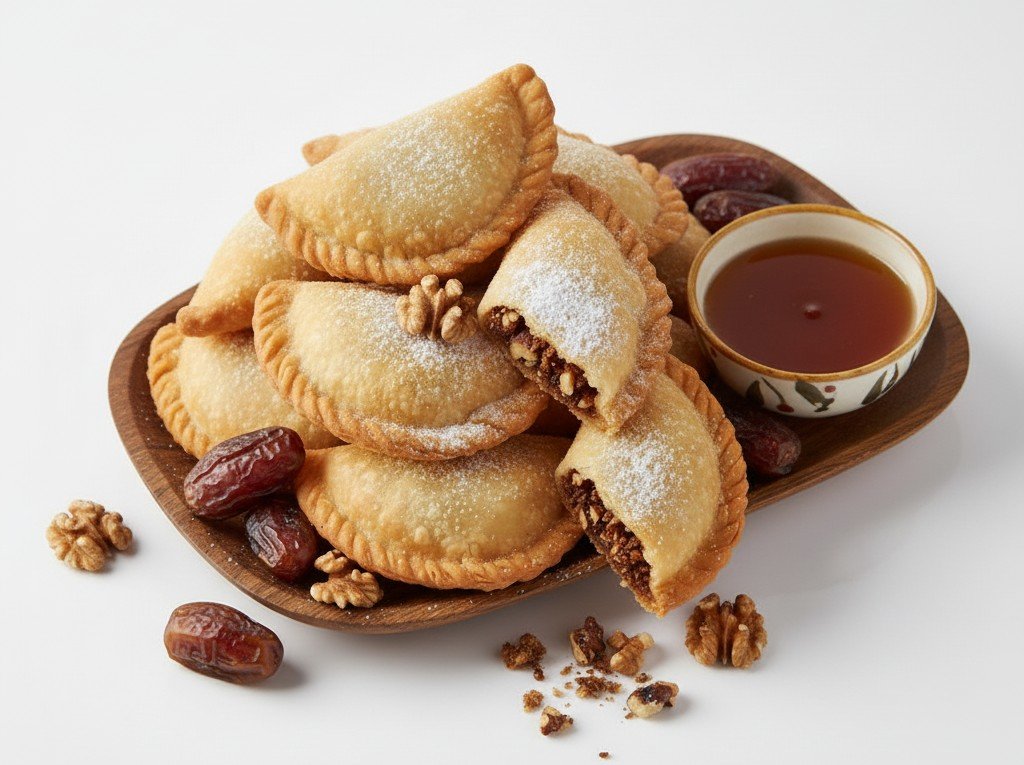
There’s something timeless about biting into a freshly made gujiya — the crisp shell, the rich filling, and the wave of nostalgia that comes with every mouthful. Walnut Date Gujiya takes this traditional Indian dessert and elevates it into a wholesome, luxurious treat. Imagine the nuttiness of toasted walnuts blending with the natural sweetness of dates, all wrapped in a golden, flaky pastry — that’s the magic of this royal sweet.
Traditionally, gujiya is prepared during festivals like Holi, Diwali, and Teej, symbolizing abundance and celebration. Over generations, the recipe has evolved, adapting to modern preferences for healthier, more nutritious sweets. Replacing the heavy khoya or sugar-based filling with a date and walnut mixture gives this classic sweet a delightful twist — one that’s both indulgent and nourishing.
Dates bring in a soft caramel-like sweetness, while walnuts add crunch and richness. The combination is not only delicious but also full of fiber, healthy fats, and antioxidants. It’s the perfect example of how traditional sweets can be reinvented for the modern palate without losing their festive charm.
The Cultural Importance of Gujiya
Gujiya holds a special place in Indian households — it’s not just a dessert; it’s an emotion tied to celebrations, family gatherings, and childhood memories. Every region has its own version — from Karanji in Maharashtra to Ghughra in Gujarat and Pedakiya in Bihar — each carrying unique flavors and traditions.
In North India, especially during Holi, women gather in kitchens days before the festival to prepare dozens of gujiyas filled with rich khoya, coconut, and dry fruits. It’s a sweet that brings people together, symbolizing love, prosperity, and togetherness.
Introducing walnuts and dates to this age-old recipe modernizes it beautifully — it respects the cultural essence while aligning with today’s focus on health-conscious eating. Whether served warm after a festive meal or gifted to loved ones in decorative boxes, Walnut Date Gujiya bridges the gap between tradition and wellness.
Why Walnut and Date Fillings Are a Healthier Twist
Traditional gujiyas, though delicious, are often loaded with refined sugar and deep-fried, making them a guilty pleasure. The Walnut Date Gujiya, on the other hand, replaces unhealthy elements with nutrient-rich ingredients.
Dates are naturally sweet, eliminating the need for added sugar. They are rich in iron, potassium, magnesium, and fiber, which aid digestion and provide sustained energy — ideal during festivals when indulgence is at its peak. Walnuts contribute omega-3 fatty acids, which support heart and brain health, along with antioxidants that fight inflammation.
When combined, they create a filling that’s sweet, nutty, and deeply satisfying — without the sugar crash. This version of gujiya can also be baked instead of fried, reducing oil content significantly. It’s the perfect dessert for health-conscious families who still want to enjoy traditional sweets guilt-free.
The Origin and Evolution of Gujiya
The story of gujiya stretches back centuries. It’s believed to have originated from the empirical kitchens of North India, where royal cooks crafted elaborate sweets filled with khoya, dry fruits, and jaggery. Over time, it became a household staple, especially during Holi — the festival of colors and sweetness.
Each region added its own spin. In Rajasthan, gujiyas are deep-fried and dipped in sugar syrup; in Bihar, they’re made with suji (semolina) and ghee; while Maharashtrian Karanji often includes desiccated coconut and poppy seeds. This diversity reflects India’s culinary richness.
As modern diets began shifting towards healthier options, innovative variations like baked, sugar-free, and dry fruit-filled gujiyas emerged. The Walnut Date Gujiya is one such modern masterpiece — keeping the nostalgia alive while embracing wellness. It’s a beautiful representation of how traditional sweets can evolve with time yet retain their soul.
Traditional Gujiya and Its Regional Variations
From the Malpua-loving heart of Uttar Pradesh to the sweet-scented streets of Bengal, gujiya finds its place in every festive table, though in distinct avatars.
-
North India: Classic mawa or khoya gujiya, deep-fried till golden, often coated with sugar syrup.
-
West India: The Maharashtrian Karanji, made with coconut, sesame seeds, and cardamom.
-
South India: The sweet Karjikayi, stuffed with jaggery and grated coconut.
-
East India: The Bihari Pedakiya — a crispy, mildly sweet version that uses semolina in the filling.
Each version carries the same festive sentiment but caters to local tastes and ingredients. The Walnut Date Gujiya beautifully unites these diverse traditions with a global touch — combining the essence of Indian sweets with the goodness of dry fruits known worldwide.
Ingredients Needed for Walnut Date Gujiya
A great dish begins with the right ingredients, and Walnut Date Gujiya is no exception. This sweet treat combines pantry staples with a few premium dry fruits, resulting in a luxurious and wholesome dessert. The magic lies in balancing the crisp outer shell with a rich, nutty filling that’s naturally sweetened by dates.
Let’s break it down into three simple sections — dough, filling, and optional add-ons that can enhance flavor and aroma.
For the Dough
To create the perfect flaky crust, you’ll need:
-
2 cups of all-purpose flour (maida)
-
4 tablespoons of ghee (clarified butter)
-
A pinch of salt
-
Water (as required to knead a firm dough)
Tip: The dough should be slightly firm, not soft. This ensures your gujiyas turn crisp and hold their shape during frying or baking. Adding hot ghee to the flour (a process called moyan) gives that signature flakiness to the pastry.
Knead the dough gently, cover it with a damp cloth, and let it rest for about 30 minutes. Resting helps the gluten relax, making it easier to roll out later.
For the Filling
The star of this recipe — the walnut-date mixture — is what sets this gujiya apart. Here’s what you need:
-
1 cup seedless dates (finely chopped or blended)
-
¾ cup walnuts (coarsely chopped or ground)
-
2 tablespoons desiccated coconut (optional)
-
1 teaspoon cardamom powder
-
1 tablespoon ghee
Preparation:
-
Heat ghee in a pan and add chopped dates. Cook on low heat till they soften.
-
Add walnuts and mix well until the mixture turns aromatic.
-
Stir in coconut and cardamom powder.
-
Remove from heat and let the filling cool completely before stuffing.
This filling is naturally sweet, rich, and full of texture. The gooey dates bind the chopped walnuts perfectly, creating a luscious core that contrasts beautifully with the crisp pastry shell.
Optional Add-ons for Enhanced Flavor
Want to give your gujiya a gourmet touch? Try these creative add-ons:
-
Rose petals or rose water for a floral aroma.
-
Chopped almonds or pistachios for extra crunch.
-
A drizzle of honey or maple syrup for a glossy finish.
-
Dark chocolate chips for a modern dessert twist.
The beauty of Walnut Date Gujiya lies in its flexibility — you can personalize the filling to suit your taste. Whether you like it nutty, fruity, or with a hint of spice, the combinations are endless!
How to make Walnut Date Gujiya
Making gujiya might seem intimidating, but it’s easier than you think. Follow this simple process and you’ll master it in no time. The key is patience — and a little love!
Preparing the Dough
Start by sifting the flour into a large mixing bowl. Add a pinch of salt and melted ghee. Rub the ghee into the flour using your fingertips until it resembles coarse breadcrumbs. This process ensures that every grain of flour gets coated with fat, giving your gujiyas their signature flaky texture.
Gradually add water, a few tablespoons at a time, and knead into a firm dough. Don’t rush this step — the texture of the dough determines how your gujiya turns out. Once done, cover it with a damp cloth and set it aside for 20–30 minutes.
Resting allows the gluten to relax and makes rolling easier. When ready, divide the dough into small lemon-sized balls. Each of these will become one beautiful gujiya.
Making the Walnut Date Filling
While the dough rests, let’s work on the delicious filling. Heat ghee in a non-stick pan on low flame. Add chopped dates and cook gently, stirring continuously until they begin to soften. Add chopped walnuts and mix until the mixture becomes sticky and fragrant.
Sprinkle in the cardamom powder and optional coconut. The aroma that fills your kitchen will be irresistible — a true sign you’re on the right track! Once the filling thickens slightly and comes together, turn off the heat and allow it to cool.
This step ensures that the filling doesn’t melt or leak during frying. Remember, the mixture should be firm but pliable.
Assembling the Gujiyas
Now comes the most satisfying part — shaping your gujiyas!
-
Roll out a dough ball into a small circle (about 4–5 inches in diameter).
-
Place a spoonful of the cooled walnut-date filling in the center.
-
Fold the circle into a half-moon shape, sealing the edges with light pressure.
-
Use a fork or a gujiya mold to crimp the edges for a neat, decorative finish or twist the edges.
Ensure the edges are sealed tightly — any gaps can cause the filling to spill out during frying.
Pro tip: Use a little water or milk on the edges before sealing to help them stick better.
Frying vs. Baking — Which Is Better?
Traditionally, gujiyas are deep-fried in ghee, giving them that golden, flaky crust and rich flavor. However, baking is an excellent alternative for those who prefer a healthier version.
To Fry:
-
Heat ghee or oil on medium-low flame.
-
Fry the gujiyas in small batches until golden brown on both sides.
-
Drain on paper towels to remove excess oil.
To Bake:
-
Preheat oven to 180°C (350°F).
-
Brush each gujiya lightly with ghee or oil.
-
Arrange on a parchment-lined tray and bake for 18–20 minutes until golden.
The fried version is richer and more festive, while the baked one is light, crisp, and guilt-free. Either way, you’ll end up with a heavenly dessert!

Nutritional Benefits of Walnuts and Dates in Gujiya
Walnut Date Gujiya isn’t just a treat for your taste buds — it’s packed with nutrition too. This modern version of gujiya turns a festive indulgence into a superfood dessert.
Power-Packed Walnuts for Brain Health
Walnuts are often called brain food — and for good reason. They’re rich in omega-3 fatty acids, which are known to enhance memory, focus, and mood. They also contain antioxidants, vitamin E, and polyphenols that help reduce inflammation and improve heart health.
Including walnuts in desserts like gujiya makes them more wholesome without compromising on flavor. The nutty crunch also adds a delightful texture to the otherwise soft filling, making every bite memorable.
Dates — The Natural Sweetener
Dates are nature’s candy — naturally sweet, soft, and caramel-like. They are loaded with fiber, iron, potassium, and magnesium, making them an excellent substitute for refined sugar.
When used in gujiya, dates not only bind the filling beautifully but also lend a deep, earthy sweetness that’s far more satisfying than plain sugar syrup. They’re low on the glycemic index, meaning they don’t spike blood sugar levels abruptly.
This makes Walnut Date Gujiya a healthier dessert option for those trying to cut down on processed sugar without giving up on sweets altogether.
Why This Gujiya Is a Guilt-Free Indulgence
The best part about this modern gujiya is that it’s both indulgent and health-friendly. By swapping refined sugar and deep-frying for dates, walnuts, and baking, you can enjoy a dessert that nourishes your body and delights your senses.
Each bite gives you sustained energy, good fats, and natural sweetness — the perfect combination for festive feasting.
Whether you enjoy it with a cup of chai or serve it at a celebration, Walnut Date Gujiya proves that healthy eating doesn’t have to be boring.
Tips for the Perfect Walnut Date Gujiya
Even the simplest recipes can turn extraordinary with a few pro tips. When it comes to gujiyas, every small detail — from the dough texture to the frying temperature — matters. To help you get that perfect balance of crispiness and rich filling, here are some tried-and-tested tips you’ll love.
How to Get the Perfect Crispy Texture
The secret to crispy gujiyas lies in the moyan (the ratio of ghee to flour) and the temperature of oil or ghee used for frying. Follow these golden rules:
-
Add enough ghee while kneading:
When mixing the flour with ghee, rub it gently between your palms until it feels crumbly. The right texture should allow you to press a handful of flour together, and it should hold its shape. This ensures a flaky outer crust. -
Don’t overwork the dough:
Knead it just until everything comes together. Over-kneading makes the dough tough, which can lead to hard gujiyas. -
Maintain medium-low frying temperature:
If the ghee or oil is too hot, the gujiyas will brown quickly on the outside but remain raw inside. Too cold, and they’ll absorb excess oil. The perfect frying temperature is when a small piece of dough rises to the surface slowly. -
Rest the dough:
Letting the dough rest for 30 minutes relaxes the gluten, making it easier to roll out thin without tearing. -
Seal properly:
If the edges aren’t sealed tightly, the filling can leak during frying. Always use a little water or milk to moisten the edges before sealing.
By following these tips, your Walnut Date Gujiya will turn out beautifully golden, crisp, and flaky — just the way they’re meant to be!
Storing and Serving Tips
Freshly made gujiyas taste divine, but you can also prepare them in advance. Here’s how to store and serve them right:
-
Storage:
Keep your fried or baked gujiyas in an airtight container at room temperature. They stay fresh for up to 7 days. For longer storage, refrigerate them for up to two weeks. -
Reheating:
To bring back the crispiness, reheat gujiyas in an oven or air fryer for 3–4 minutes. Avoid microwaving, as it makes them soggy. -
Serving Ideas:
Serve them warm with a drizzle of honey, or sprinkle some powdered sugar on top for a festive look. You can even pair them with rabri (sweet condensed milk) or kesar malai for an indulgent twist.
Common Mistakes to Avoid While Making Gujiya
Even seasoned cooks sometimes face small hiccups while making gujiya. Knowing the most common mistakes can save you time, ingredients, and frustration.
Issues with Dough Consistency
The texture of your dough can make or break your gujiya. If it’s too soft, your gujiyas will lose shape and absorb too much oil. If it’s too hard, they’ll crack while rolling or sealing.
Fix:
The ideal dough should feel firm but pliable — similar to puri dough. Add water gradually, only a tablespoon at a time, and knead gently until you reach the perfect consistency. Always rest it before rolling.
Overstuffing or Understuffing the Filling
Filling plays a vital role in gujiya’s flavor and structure. Too little, and your gujiya tastes bland; too much, and it bursts open during frying.
Fix:
Use 1 to 1½ tablespoons of filling for each gujiya, depending on its size. Make sure the filling is cool and slightly firm before use. A warm or runny filling can leak out and spoil the batch.
Bonus Tip: If you’re new to making gujiyas, try using a gujiya mold. It helps maintain consistent size and ensures the edges are sealed perfectly.
Serving Ideas and Presentation Tips
Presentation makes any dessert look more inviting. With Walnut Date Gujiya, the golden crust and nutty aroma already do half the work — but a little creativity can make them truly shine.
Festive Plating Ideas
-
Classic Style: Arrange gujiyas neatly on a silver or brass plate, garnished with crushed pistachios and rose petals for that royal festive look.
-
Modern Plating: Serve them on white porcelain with a drizzle of melted chocolate or honey and a sprinkle of sea salt for a gourmet touch.
-
Dessert Platter: Combine your gujiyas with other Indian sweets like rasgulla, barfi, and ladoo for a colorful festive spread.
You can also dust them with a fine layer of powdered sugar or edible glitter to make them sparkle under festive lights.
Pairing with Beverages and Other Sweets
Pairing your gujiyas with the right drink can elevate the entire experience.
-
Hot Masala Chai: The warmth of spiced tea complements the nutty filling beautifully.
-
Filter Coffee: A strong cup of South Indian coffee balances the sweetness of the dates.
-
Badam Milk: For a royal touch, serve with chilled almond milk flavored with saffron.
If you’re hosting a festive dinner, serve gujiyas alongside fruit chaat or dry fruit halwa for a rich yet balanced dessert table.
Variations of Walnut Date Gujiya
The beauty of gujiya lies in its versatility. Once you master the basic version, you can experiment with flavors, fillings, and even cooking methods. Here are some irresistible variations of the Walnut Date Gujiya that will keep your guests asking for more.
Chocolate Walnut Gujiya
Who can resist the charm of chocolate? For a fusion dessert, add melted dark chocolate or cocoa powder to your date-walnut filling. The bitterness of dark chocolate beautifully complements the sweetness of dates, making it a hit among kids and adults alike.
You can also drizzle the baked gujiyas with chocolate ganache or dip them halfway in melted chocolate for an elegant finish. Perfect for Valentine’s Day or Diwali!
Baked Honey Walnut Gujiya
If you’re cutting down on fried foods, this version is a dream come true. Replace refined sugar with pure honey in the filling, bake the gujiyas till crisp, and glaze them with a thin coat of honey syrup after baking.
The result? A golden, shiny gujiya that tastes divine and smells heavenly. Plus, it stays fresh longer — making it ideal for gifting.
Vegan and Gluten-Free Versions
For a vegan twist, replace ghee with coconut oil or vegan butter. For gluten-free dough, use almond flour or gluten-free atta combined with a bit of rice flour for crispness.
You’ll get the same delicious taste but with a health-conscious upgrade. It’s perfect for those with dietary restrictions who don’t want to miss out on festive indulgence.
Storing and Shelf Life
One of the best things about Walnut Date Gujiya is its long shelf life. With proper storage, you can make them ahead of time and enjoy them throughout the festive season.
Room Temperature Storage
If stored in an airtight container at room temperature, gujiyas remain fresh for up to a week. Make sure they’re completely cooled before storing to prevent sogginess.
Refrigeration and Reheating Tips
For longer storage, refrigerate your gujiyas for up to two weeks. To reheat, preheat your oven to 160°C (320°F) and warm them for 4–5 minutes. This restores their crisp texture and brings back that fresh-from-the-kitchen aroma.
Avoid microwaving, as it can soften the crust and ruin the texture.
Why Walnut Date Gujiya Makes a Perfect Festive Gift
In India, no festival is complete without sharing sweets. Walnut Date Gujiya stands out as an elegant, homemade gift that’s both thoughtful and wholesome.
Packaging Ideas
Pack your gujiyas in decorative boxes lined with butter paper or parchment. Add a touch of tradition by tying the box with colorful ribbons or placing a small note with festive wishes. You can also use glass jars or eco-friendly boxes for a sustainable gifting option.
The nutty aroma and golden hue make them visually appealing — and their long shelf life ensures they stay delicious even after several days.
Homemade vs. Store-Bought — Which Is Better?
Store-bought gujiyas might be convenient, but nothing beats the taste of homemade ones. When you prepare them yourself, you control the ingredients, adjust sweetness to your liking, and ensure freshness.
Homemade Walnut Date Gujiyas carry the warmth of your effort and love — something no packaged sweet can replicate.
Conclusion
Walnut Date Gujiya is more than just a dessert; it’s a fusion of tradition, flavor, and health. This recipe celebrates the spirit of Indian festivals while embracing the modern focus on nutritious ingredients. With its crisp shell, rich nutty filling, and natural sweetness, it’s a treat that satisfies both your sweet tooth and your wellness goals.
Whether fried or baked, served at home or gifted to loved ones, each bite of Walnut Date Gujiya is a reminder that true indulgence can be wholesome too. So this festive season, put on your apron, roll up your sleeves, and let your kitchen fill with the sweet aroma of dates, walnuts, and ghee.
FAQs
1. Can I use other nuts instead of walnuts?
Yes, you can replace walnuts with almonds, cashews, or pistachios. Each will lend a slightly different flavor and texture to the filling.
2. Are baked gujiyas as tasty as fried ones?
Absolutely! While fried gujiyas have a richer taste, baked ones are crisp, light, and healthier. The flavor remains equally delightful.
3. Can I make Walnut Date Gujiya without maida?
Yes, you can use whole wheat flour or multigrain atta for a healthier crust. Just remember to adjust the ghee quantity slightly for better texture.
4. How do I prevent gujiyas from bursting while frying?
Seal the edges properly and avoid overstuffing. Also, make sure the filling has cooled completely before stuffing.
5. Can I freeze gujiyas?
Yes, you can freeze uncooked gujiyas for up to a month. Just thaw them for 30 minutes before frying or baking.
Walnut Date Gujiya Recipe | Healthy, Sugar-Free & Festive Sweet Delight

Walnut Date Gujiya isn’t just a sweet — it’s a modern twist on a cherished Indian classic. Rich, crisp, and naturally sweet, this treat turns festive indulgence into wholesome joy.
- Prep Time: 30 mins
- Cook Time: 25 mins
- Total Time: 55 minutes
- Yield: 15–18 gujiyas
- Category: Dessert
- Cuisine: Indian
Ingredients
For the Dough
-
2 cups all-purpose flour (maida)
-
4 tbsp ghee (clarified butter)
-
A pinch of salt
-
Water as needed to knead a firm dough
For the Filling
-
1 cup seedless dates (finely chopped or blended)
-
¾ cup walnuts (coarsely chopped)
-
1 tbsp ghee
-
2 tbsp desiccated coconut (optional)
-
1 tsp cardamom powder
Optional Add-ons
-
1 tsp rose water or crushed rose petals (for aroma)
-
1 tbsp honey or maple syrup (for glaze)
-
A few chopped almonds or pistachios (for garnish)
Instructions
Step 1: Prepare the Dough
-
In a bowl, mix flour and salt.
-
Add melted ghee and rub it into the flour until it resembles breadcrumbs.
-
Gradually add water and knead into a firm but pliable dough.
-
Cover with a damp cloth and let it rest for 30 minutes.
Step 2: Make the Walnut Date Filling
-
Heat ghee in a pan on low flame.
-
Add chopped dates and cook until soft and sticky.
-
Add chopped walnuts, coconut and cardamom powder.
-
Mix well and cook for 2–3 minutes until combined.
-
Remove from heat and let it cool completely.
Step 3: Shape the Gujiyas
-
Divide the dough into small lemon-sized balls.
-
Roll each ball into a 4–5 inch circle.
-
Place 1–1½ tbsp of the walnut-date mixture in the center.
-
Fold into a half-moon shape and press the edges to seal.
-
Use a fork or gujiya mold to create decorative edges.
Step 4: Fry or Bake
To Fry:
-
Heat ghee/oil on medium-low flame.
-
Fry gujiyas until golden brown on both sides.
-
Drain on tissue paper.
To Bake:
-
Preheat oven to 180°C (350°F).
-
Brush gujiyas with ghee or oil.
-
Bake for 18–20 minutes until golden and crisp.
Notes
- Ensure the filling is cool and firm before stuffing.
- Don’t overfill; it can cause gujiyas to burst during frying.
- For extra crispiness, add a tablespoon of semolina (suji) to the dough.
- Store in an airtight container; stays fresh for up to 7 days.